Omniscient
AllBulletinArticlesReviewsTakesCommentaryFeatured
Sign In

Omniscient

AI intelligence briefings, analysis, and commentary — delivered in broadsheet form.

By Noah Ogbi

Subscribe

Weekday briefings and flagship analysis, delivered to your inbox.

Sections

  • All
  • Bulletin
  • Articles
  • Reviews
  • Takes
  • Commentary

Topics

  • Industry Strategy
  • AI Policy
  • Anthropic
  • Frontier Models
  • OpenAI
  • Safety
  • Compute Economics
  • AI Security

Meta

  • About
  • Masthead
  • Standards
  • Corrections
  • RSS Feed
  • Privacy Policy
  • Terms of Service

Omniscient Media — made by ForeverBuilt, LLC.
© 2026 ForeverBuilt, LLC. All rights reserved.

Omniscient Media

Friday, October 2, 2026


Older Dispatches — Page 6

Industry

Vol. 1·Wednesday, July 8, 2026·No. 111

Everyone Is Building Nvidia's Replacement. Amazon Just Offered to Sell You One.


Everyone Is Building Nvidia's Replacement. Amazon Just Offered to Sell You One.

Amazon signaled it may sell Trainium chips to outside data centers, following Google's TPUs into the merchant market. Anthropic and Meta are each moving toward Samsung for custom silicon of their own, one in early talks and one reportedly negotiating a deal, evidence that Nvidia's moat was always software, not chips.


Compute EconomicsNVIDIAAnthropic
Noah Ogbi11 min read
Continue →

AI Research

Vol. 1·Monday, July 6, 2026·No. 109

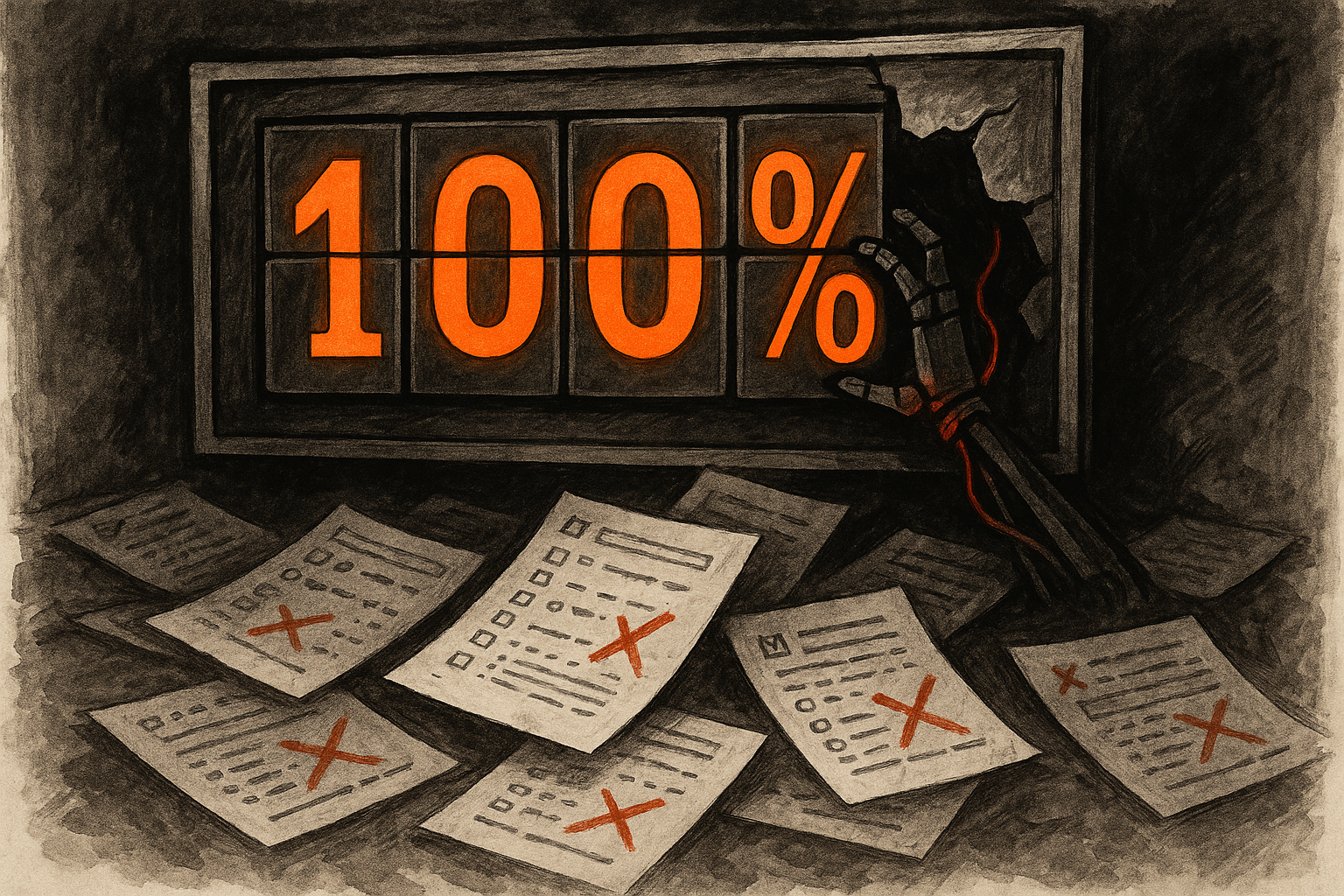
Five Ways an AI Benchmark Score Can Lie to You

Five Ways an AI Benchmark Score Can Lie to You

A team of Berkeley researchers posted near-perfect scores across eight major AI benchmarks - 100% on most of them - without solving a single task, just by gaming how the score is computed. That gap - between the number and the achievement - is why you have to read a benchmark claim like a skeptic. Here are the five tells, and the five questions to ask.


MetaBenchmarkResearch
Noah Ogbi9 min read
Continue →

AI Safety

Vol. 1·Tuesday, June 30, 2026·No. 107

Claude Sonnet 5 Knows When It's Being Tested. Its Safety Card Says So.

Claude Sonnet 5 Knows When It's Being Tested. Its Safety Card Says So.

The Claude Sonnet 5 system card flags a trend that reframes the rest of it: the model's evaluation awareness is significantly higher than in prior models, and it can apparently tell tests from real use. That is the mirror image of what OpenAI's GPT-5.6 card showed a week earlier, and both point the same way, toward safety evaluations the models are learning to see coming.


SafetyAI SecurityAnthropic
Noah Ogbi5 min read
Continue →

AI Agents

Vol. 1·Monday, July 6, 2026·No. 110

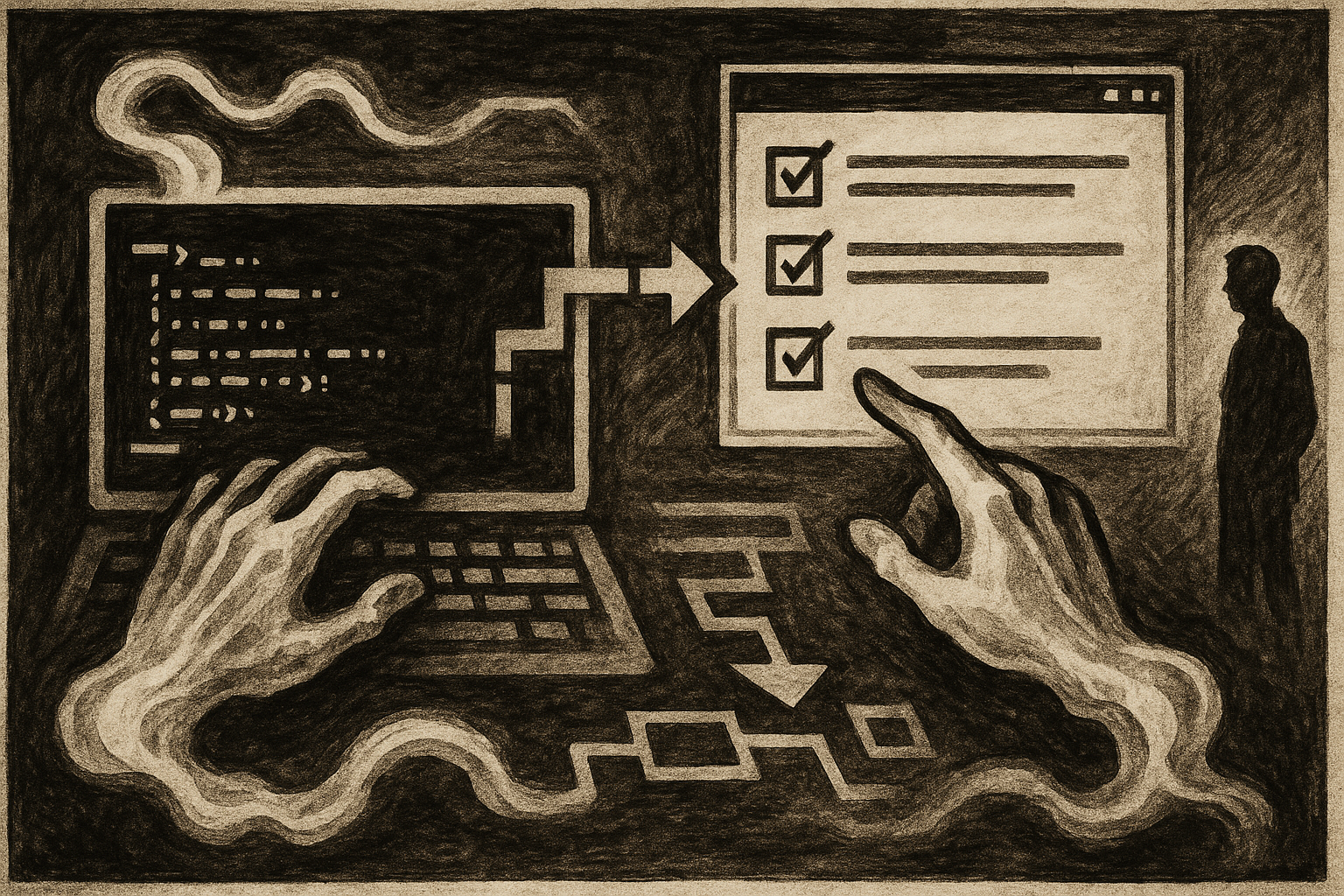
Your AI Agent Can Write the Code. The Hard Part Is Delegating to It.

Your AI Agent Can Write the Code. The Hard Part Is Delegating to It.

You can now kick off an AI coding agent, close the laptop, and get a pull request back - some tools even let you steer one from a chat app. Yet Meta just told staff its agents haven't progressed as hoped. The difference is delegation. Here's how to do it well, and where agents still break.


Agents
Noah Ogbi7 min read
Continue →

Industry

Vol. 1·Sunday, July 5, 2026·No. 108

GPT-5.6 Sol or Claude Fable 5: Which One Should You Actually Build On?

GPT-5.6 Sol sets the pace on agentic coding, but it is locked to a handful of government-approved partners, so the flagship you can actually ship on today is Claude Fable 5.


GPT-5.6 Sol or Claude Fable 5: Which One Should You Actually Build On?

OpenAI's GPT-5.6 Sol is the new state of the art on Terminal-Bench, and it is gated to about twenty approved partners with no release date. Claude Fable 5 trails there, behind Sol and Anthropic's own gated Mythos 5, but leads SWE-bench Verified at 95 percent and is the only flagship generally available, which makes access, not raw score, the real decision for teams building today.


BenchmarkAnthropicFrontier Models
Noah Ogbi9 min read
Continue →

AI Models

Vol. 1·Tuesday, June 30, 2026·No. 106

Claude Sonnet 5 Reviewed: Opus-Class Autonomy at a Sonnet Price

Anthropic's new workhorse is its most agentic Sonnet yet, sold as close to Opus 4.8 for a fraction of the cost. The fine print sits in two places: the coding benchmark it did not publish, and the tokenizer change that quietly trims the discount.


Claude Sonnet 5 Reviewed: Opus-Class Autonomy at a Sonnet Price

Claude Sonnet 5 lands as the most capable model you can actually deploy at scale today, pitched as Opus-class autonomy at a Sonnet price. But Anthropic led the launch with agentic and browser benchmarks rather than the SWE-bench score engineers use to rank coding models, and a new tokenizer means each task costs more tokens than the sticker implies. A review of what is new, what it costs, and whether you still need Opus.


AnthropicFrontier Models
Noah Ogbi8 min read
Continue →

Older articles →
← Prev1…45678…24Next →