Omniscient
AllBulletinArticlesReviewsTakesCommentaryFeatured
Sign In

Omniscient

AI intelligence briefings, analysis, and commentary — delivered in broadsheet form.

By Noah Ogbi

Subscribe

Weekday briefings and flagship analysis, delivered to your inbox.

Sections

  • All
  • Bulletin
  • Articles
  • Reviews
  • Takes
  • Commentary

Topics

  • Industry Strategy
  • AI Policy
  • Anthropic
  • Frontier Models
  • OpenAI
  • Compute Economics
  • Research
  • Safety

Meta

  • About
  • Masthead
  • Standards
  • Corrections
  • RSS Feed
  • Privacy Policy
  • Terms of Service

Omniscient Media — made by ForeverBuilt, LLC.
© 2026 ForeverBuilt, LLC. All rights reserved.

Omniscient Media

Wednesday, September 9, 2026


Articles

AI Policy

Vol. 1·Sunday, September 6, 2026·No. 140

Anthropic Turned Hardware Integration Into a Software Change. In Europe, That Has a Legal Meaning.

The Model Hardware Standard collapses weeks of instrument integration into hours. Regulation (EU) 2023/1230, which applies from 20 January 2027, has a name for whoever does that to a machine - but only if the limit lives in a sentence rather than in code, and only if the machine's maker never blessed the install.


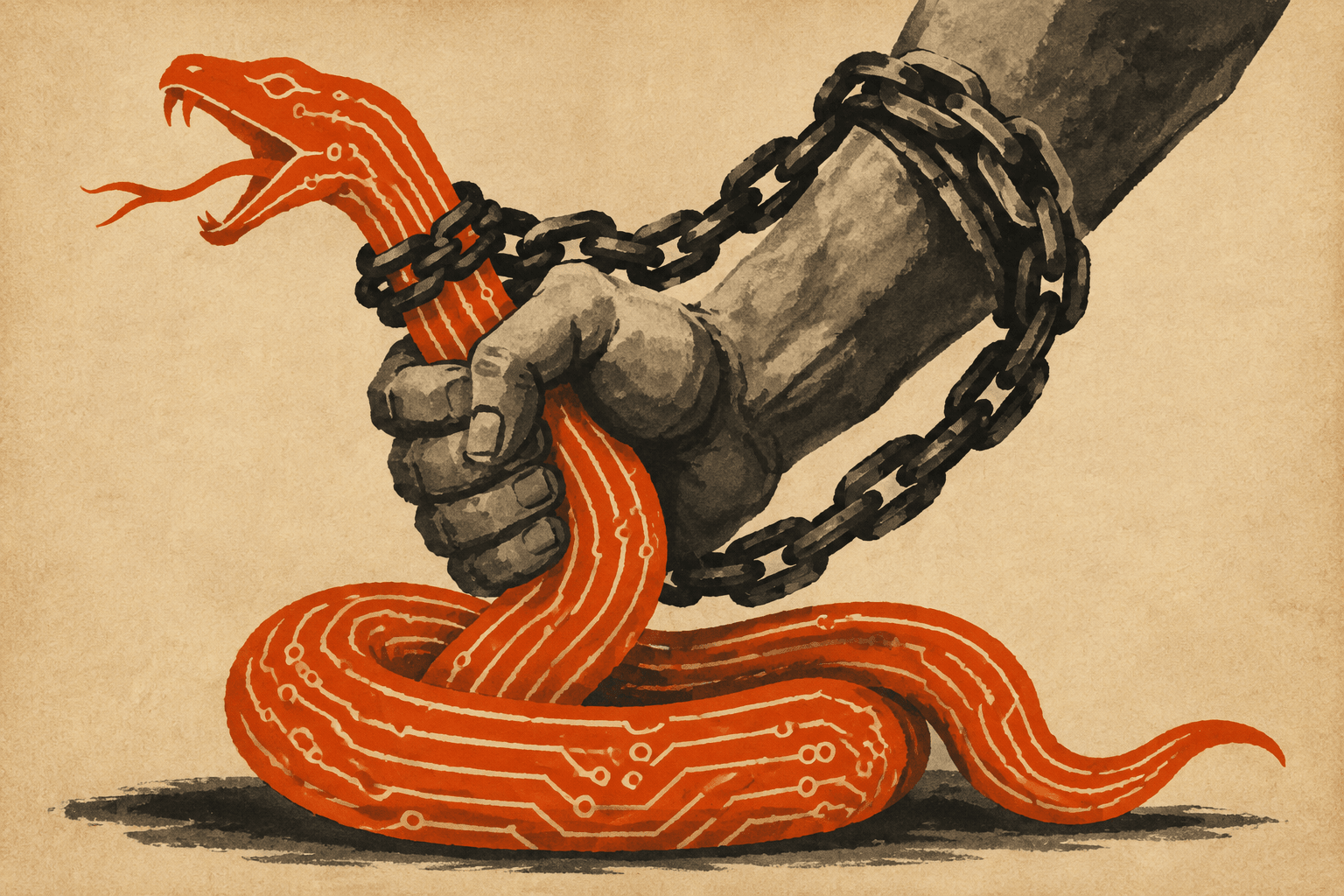
MHS saves weeks by turning hardware integration into a software change — and under the EU Machinery Regulation, a software change to a machine's safety behaviour can make whoever performed it the legal manufacturer. Whether that fires on any given install is currently undecidable from public information, because Anthropic has not published the spec.


AI PolicyAnthropicSafety
Noah Ogbi21 min read
Continue →

AI Research

Vol. 1·Friday, August 14, 2026·No. 131

Grok 4.6 Didn't Raise the Ceiling. It Raised the Floor.

The increment lands where 4.5 was weakest, the price stays at half the frontier, and the most revealing thing in the announcement is a comparison column xAI didn't have to include


Grok 4.6 Didn't Raise the Ceiling. It Raised the Floor.

Grok 4.6 is not a leapfrog release and xAI doesn't pretend it is - the bold marks in the company's own benchmark table split three ways, with Claude Fable 5 Max ahead on five of the headline rows. The real story is where the gains concentrated, how the model was trained on its predecessor's regenerated homework, and why the unchanged $2/$6 pricing is the actual competitive move.


SpaceXAI
Noah Ogbi10 min read
Continue →

AI Policy

Vol. 1·Monday, July 27, 2026·No. 125

What Anthropic Is Actually Lobbying For

What Anthropic Is Actually Lobbying For

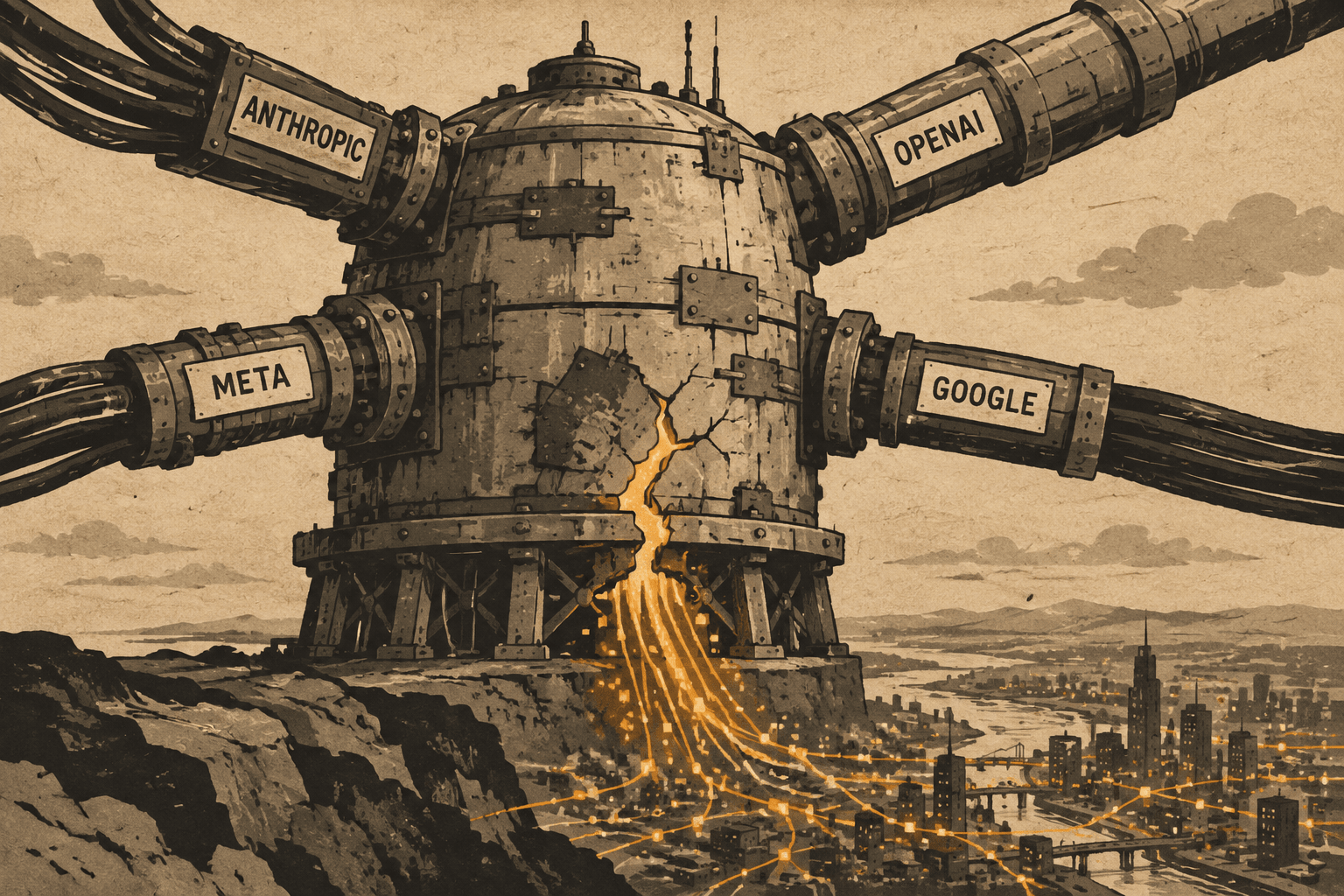
The White House's distillation case against Moonshot's Kimi K3 runs on Treasury sanctions authority; Anthropic's actual proposal to Washington is a nationality-blind compute threshold that would bind Anthropic too. The two get confused often, and they aren't the same lever. Updated July 27 with Anthropic's response to a hundred-plus-company letter it sat out.


AI PolicyDefense & National SecurityFrontier Models
Noah Ogbi14 min read
Continue →

Reference Library

Vol. 1·Wednesday, August 26, 2026·No. 134

The Model Will Be Fooled: A Builder's Guide to the 2026 OWASP LLM Top 10

OWASP checked its rankings against 6,639 real incidents, and the risk practitioners fear most doesn't even crack the top ten by the numbers.


The Model Will Be Fooled: A Builder's Guide to the 2026 OWASP LLM Top 10

The 2026 OWASP Top 10 for LLM Applications, published August 4, reordered around agents: Excessive Agency climbed to third, Unbounded Consumption rose four places, and Improper Output Handling fell five. Behind the moves is a methodology change with an awkward result, since practitioners rank prompt injection first while the raw incident record drops it out of the top ten entirely. This guide walks all ten entries with the mechanism, a production failure, and the controls that hold, separating defenses that merely reduce attack success from the architectural bounds that survive an adaptive attacker.


AgentsSafetyAI Security
Noah Ogbi31 min read
Continue →

AI Policy

Vol. 1·Wednesday, August 12, 2026·No. 130

Meta's Safety Argument Needs Different Superintelligences. Distillation Makes Them the Same.

Zuckerberg says safety needs different superintelligences; Meta shipped one distilled from a named model whose specs it won't disclose


Meta's Safety Argument Needs Different Superintelligences. Distillation Makes Them the Same.

Mark Zuckerberg's "The Future is for Everyone" argues that safety comes from distributing superintelligence widely, but its load-bearing condition is that the many agents be different from one another - the same day, Meta shipped Muse Glimmer, a 30B model distilled from Muse Spark, the closed model whose specs it won't disclose. Meta's own safety report separately discloses that Spark was assessed as likely reaching "high risk" for chemical and biological capability before mitigations, and shipped on the strength of refusal training, a safeguard that cannot survive a weight release.


MetaSafetyAI Policy
Noah Ogbi22 min read
Continue →

AI Research

Vol. 1·Thursday, July 9, 2026·No. 112

The Missing Benchmark: Why No One Can Yet Score a Model's "Stop Quality"

A new academic benchmark finds every frontier-class agent tested fails, more than half the time, at recognizing when a task is hopeless and should be abandoned


The Missing Benchmark: Why No One Can Yet Score a Model's "Stop Quality"

A new academic benchmark gives the industry its first real measure of "agentic abstention": whether an AI agent recognizes a task is infeasible and stops rather than keeps burning tool calls. Every frontier system tested fails most of the time, and neither Claude Fable 5 nor GPT-5.6, which OpenAI is taking to general availability this week, has been scored on it yet.


AgentsBenchmarkResearch
Noah Ogbi10 min read
Continue →

Older articles →
123…12Next →