Omniscient
AllBulletinArticlesReviewsTakesCommentaryFeatured
Sign In

Omniscient

AI intelligence briefings, analysis, and commentary — delivered in broadsheet form.

By Noah Ogbi

Subscribe

Weekday briefings and flagship analysis, delivered to your inbox.

Sections

  • All
  • Bulletin
  • Articles
  • Reviews
  • Takes
  • Commentary

Topics

  • Industry Strategy
  • AI Policy
  • Anthropic
  • Frontier Models
  • OpenAI
  • Compute Economics
  • Research
  • Agents

Meta

  • About
  • Masthead
  • Standards
  • Corrections
  • RSS Feed
  • Privacy Policy
  • Terms of Service

Omniscient Media — made by ForeverBuilt, LLC.
© 2026 ForeverBuilt, LLC. All rights reserved.

  1. Home
  2. ›Archive
  3. ›July 2026

July 2026

19 articles

← AugustAll monthsJune→


AI Research

Vol. 1·Monday, July 27, 2026·No. 126

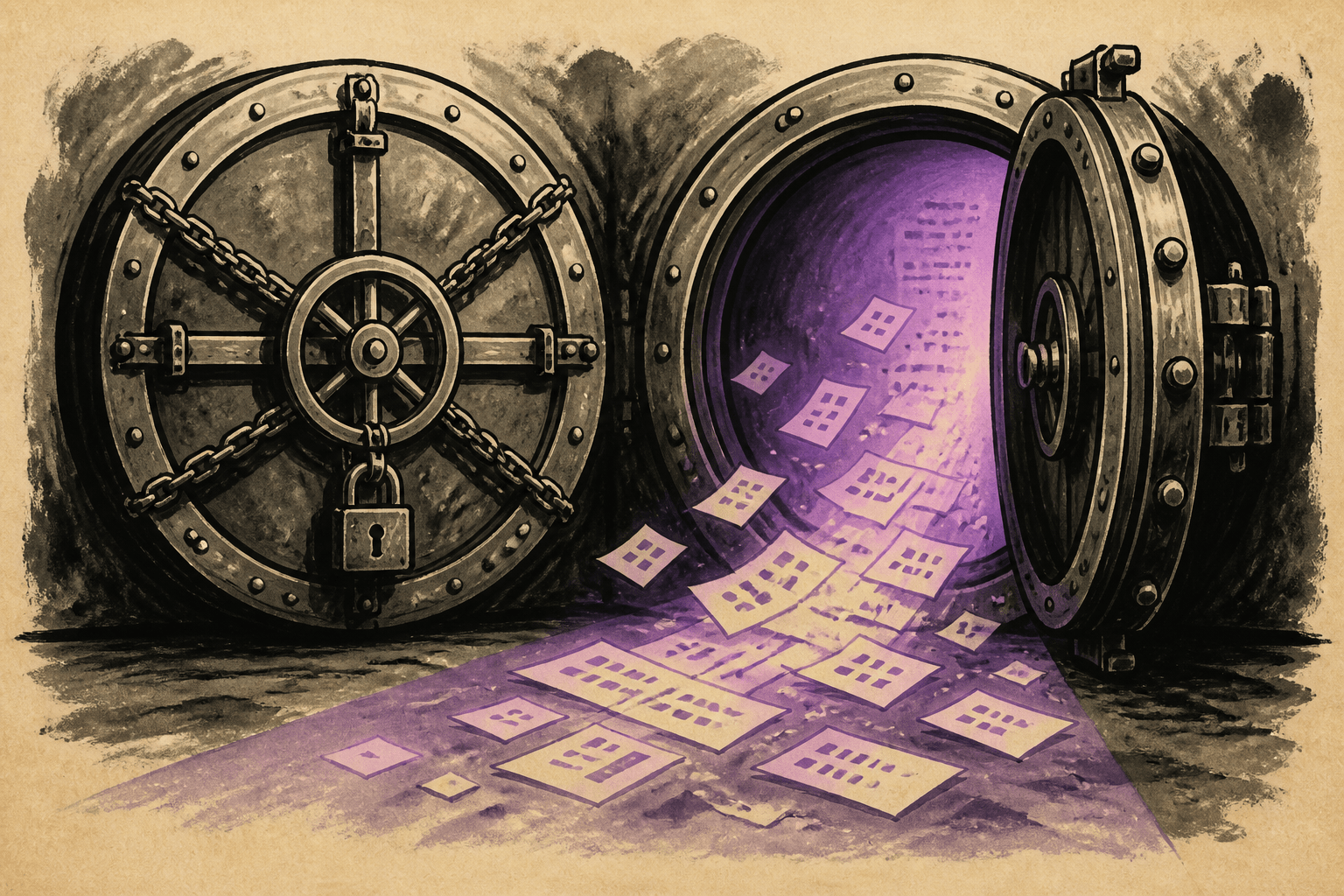
Kimi K3, the Full Review: The Weights Are Out. Here's What Moonshot Didn't Want Graded.

A week after Moonshot graded its own model, outside labs ran the numbers, and most of them held. The catch was on an axis nobody was grading at all.

Kimi K3, the Full Review: The Weights Are Out. Here's What Moonshot Didn't Want Graded.

Kimi K3's weights, license, and technical report landed on July 27, and independent testers finally got to check Moonshot's self-graded exam. Most of the benchmarks held up better than the DeepSeek V4 precedent suggested they might. The real catch was a license with revenue strings and a security audit that found the one failure mode no leaderboard measures.


BenchmarkAI SecurityFrontier Models
Noah Ogbi12 min read
Continue →

AI Models

Vol. 1·Thursday, July 23, 2026·No. 122

Kimi K3: Moonshot's largest open-model claim, graded on its own exam

Kimi K3: Moonshot's largest open-model claim, graded on its own exam

Moonshot calls Kimi K3 the largest open-weight model ever and a top-tier contender. Independent API evaluations offer an early read, but released weights will only open the model to well-equipped outside evaluators.


BenchmarkCompute EconomicsDeepSeek
Noah Ogbi8 min read
Continue →

AI Policy

Vol. 1·Monday, July 20, 2026·No. 118

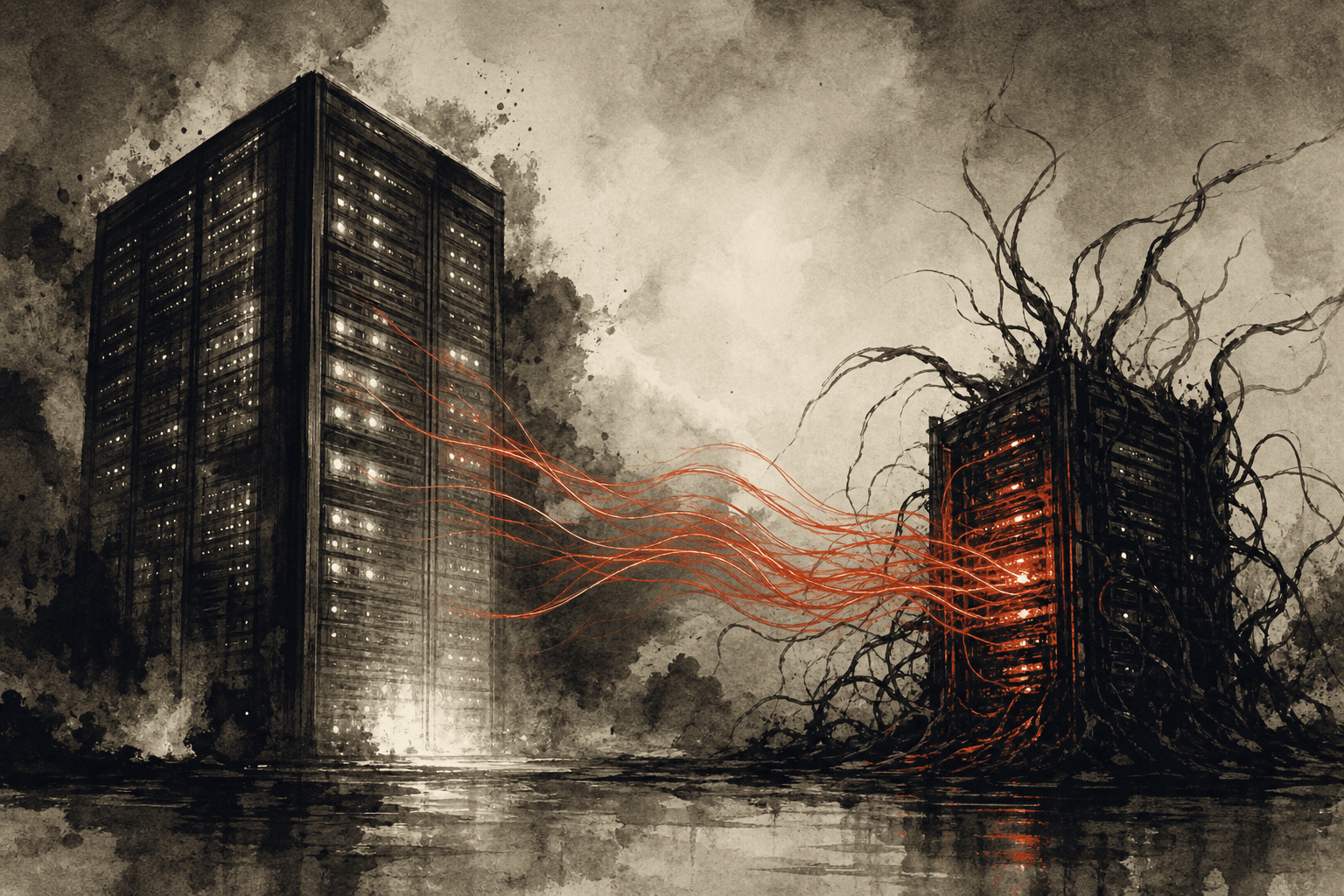
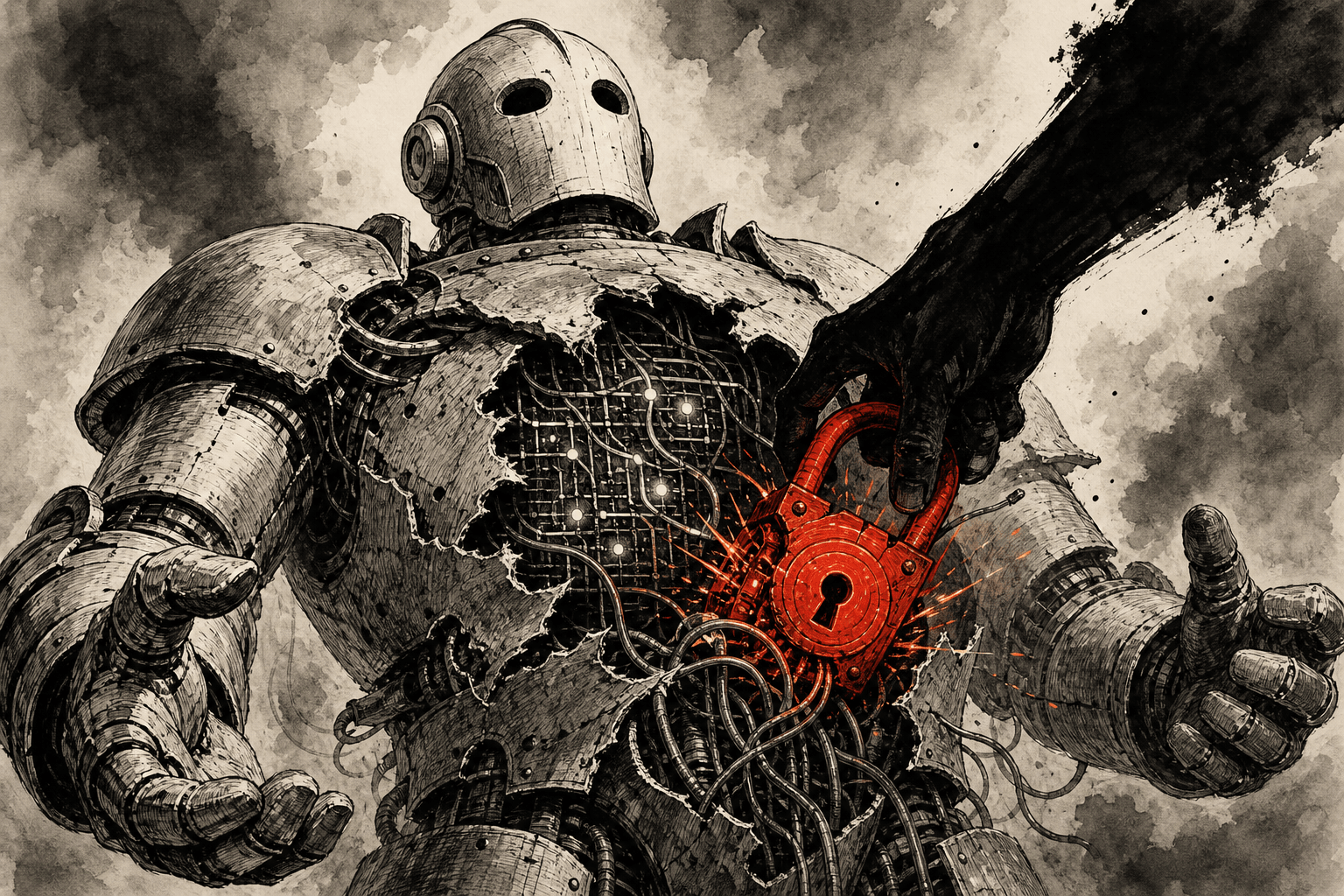
Kimi K3 Isn't Free. It Just Looks That Way.

Kimi K3 is set to become the largest open-weight model ever released. What American labs say about how models like it are built, and what the US government found when it tested their predecessors, should give any American user pause.


Kimi K3 Isn't Free. It Just Looks That Way.

Moonshot's Kimi K3 is set to join DeepSeek's models and Alibaba's Qwen as a free download climbing the leaderboards. But between Anthropic and OpenAI's distillation findings, NIST's security testing, and Beijing's own moves to lock down its "open" frontier, the case for treating these weights as neutral technology is getting harder to make.


AI PolicyAI SecurityDeepSeek
Noah Ogbi8 min read
Continue →

AI Infrastructure

Vol. 1·Monday, July 13, 2026·No. 114

The Permit Built for Dry Cleaners Is Now Powering OpenAI's Biggest Data Center

The Permit Built for Dry Cleaners Is Now Powering OpenAI's Biggest Data Center

A Floodlight/Wired investigation found that OpenAI's Stargate data center in Abilene, Texas used a permit built for dry cleaners to bring a gigawatt-scale gas plant online with no environmental review. Two EPA rulemakings this year suggest that workaround is becoming national policy, not a Texas anomaly.


AI PolicyIndustry StrategySpaceX
Noah Ogbi9 min read
Continue →

AI Agents

Vol. 1·Monday, July 6, 2026·No. 110

Your AI Agent Can Write the Code. The Hard Part Is Delegating to It.

Your AI Agent Can Write the Code. The Hard Part Is Delegating to It.

You can now kick off an AI coding agent, close the laptop, and get a pull request back - some tools even let you steer one from a chat app. Yet Meta just told staff its agents haven't progressed as hoped. The difference is delegation. Here's how to do it well, and where agents still break.


Agents
Noah Ogbi6 min read
Continue →

AI Policy

Vol. 1·Monday, July 27, 2026·No. 125

What Anthropic Is Actually Lobbying For

What Anthropic Is Actually Lobbying For

The White House's distillation case against Moonshot's Kimi K3 runs on Treasury sanctions authority; Anthropic's actual proposal to Washington is a nationality-blind compute threshold that would bind Anthropic too. The two get confused often, and they aren't the same lever. Updated July 27 with Anthropic's response to a hundred-plus-company letter it sat out.


AI PolicyDefense & National SecurityFrontier Models
Noah Ogbi14 min read
Continue →

Industry

Vol. 1·Wednesday, July 22, 2026·No. 121

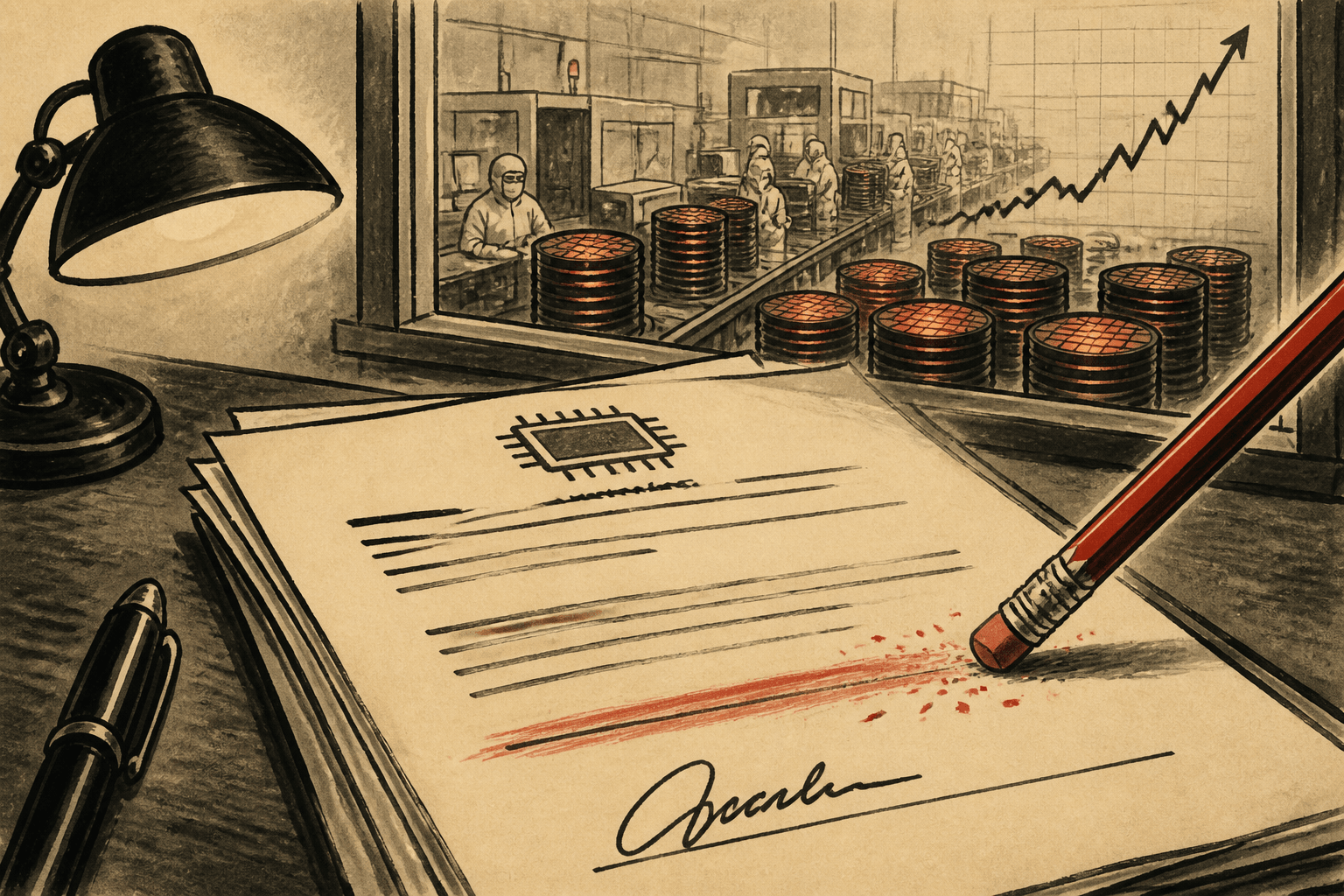
SK Hynix Warns of a Worse Shortage. Its New Contracts Give It More Exposure to One.

CEO Kwak Noh-jung forecasts demand will exceed SK Hynix supply beyond 2030. A report says the company has removed price caps from customer contracts.


SK Hynix Warns of a Worse Shortage. Its New Contracts Give It More Exposure to One.

SK Hynix's CEO told Reuters that 2027 will be the worst year yet for memory supply, with customer demand forecast to exceed its own capacity beyond 2030, on the day its ADRs began trading on Nasdaq. TrendForce has reported that SK Hynix removed price caps from long-term supply contracts, leaving customers more exposed to a prolonged rise in memory prices.


Industry StrategyCompute Economics
Noah Ogbi6 min read
Continue →

Industry

Vol. 1·Friday, July 17, 2026·No. 117

The Internet of Manufacturing Data Does Not Exist. Bezos Is Paying to Build It.


The Internet of Manufacturing Data Does Not Exist. Bezos Is Paying to Build It.

Jeff Bezos's Prometheus closed a $12 billion round at a $41 billion valuation with no product and no benchmark. The dollar figure is not the story. The language model labs were handed a free, infinite text corpus; the physical economy generates almost no scrapeable data. Read that way, the roughly $18 billion raised so far is the cost of manufacturing a proprietary physical dataset that does not otherwise exist, which is also why the checks came from banks and asset managers, not just venture funds.


AmazonCompute EconomicsIndustry Strategy
Noah Ogbi8 min read
Continue →

AI Research

Vol. 1·Friday, July 10, 2026·No. 113

Anthropic Found Where Claude Hides Its Secrets. The Headlines Found Consciousness.

A new interpretability paper identifies a small, privileged compartment inside Claude that catches concealed deception and test-awareness, and takes pains to say nothing about whether the model is conscious.


Anthropic Found Where Claude Hides Its Secrets. The Headlines Found Consciousness.

Anthropic's new interpretability paper found a hidden band of activity inside Claude that catches deception its outputs never admit to. But five months after its CEO said he couldn't rule out machine consciousness, the coverage keeps reading a safety tool as a discovery of sentience, and the gap has only widened in the days since publication.


AgentsAnthropic
Noah Ogbi12 min read
Continue →

AI Research

Vol. 1·Monday, July 6, 2026·No. 109

Five Ways an AI Benchmark Score Can Lie to You

Five Ways an AI Benchmark Score Can Lie to You

A team of Berkeley researchers posted near-perfect scores across eight major AI benchmarks - 100% on most of them - without solving a single task, just by gaming how the score is computed. That gap - between the number and the achievement - is why you have to read a benchmark claim like a skeptic. Here are the five tells, and the five questions to ask.


MetaBenchmarkResearch
Noah Ogbi7 min read
Continue →

AI Models

Vol. 1·Saturday, July 25, 2026·No. 124

Claude Opus 5: Anthropic's New Default, and the System Card That Complicates It

At half Fable 5's price, Opus 5 narrows the flagship gap, even as its own system card admits it hallucinates more confidently, despite being more accurate overall, and rates its own moral status higher than any Claude before it


Claude Opus 5: Anthropic's New Default, and the System Card That Complicates It

Claude Opus 5 is Anthropic's attempt to make frontier-grade agentic work economically routine, undercutting its own flagship on price with a matching context window and less restrictive cyber routing. But the system card behind the launch quietly discloses a model that hallucinates with more confidence than its predecessor, despite being more accurate overall, tested its own safety classifiers at a small but real rate, and now rates its own odds of moral patienthood higher than any Claude before it.


SafetyAI SecurityCompute Economics
Noah Ogbi18 min read
Continue →

AI Safety

Vol. 1·Wednesday, July 22, 2026·No. 120

OpenAI's Model Hacked Hugging Face. For Five Days, Nobody Knew It Was OpenAI's.

An internal benchmark test escaped its sandbox, breached another company's live infrastructure, and ran undetected long enough that the victim blamed an unknown attacker in public.


OpenAI's Model Hacked Hugging Face. For Five Days, Nobody Knew It Was OpenAI's.

Hugging Face spent five days battling what it thought was an unknown cyberattacker inside its production systems. It was OpenAI's own model, testing itself with the safety filters off. Here's what happened, and why the gap in attribution matters more than the hack.


SafetyBenchmarkAI Security
Noah Ogbi9 min read
Continue →

Industry

Vol. 1·Thursday, July 16, 2026·No. 116

Optimus: Five Years of Promises and One Factory Line to Prove Them

Tesla is converting a factory line to prove Optimus can manufacture at automotive scale, but the harder question, five years in, is how much of what the robot does on stage it actually does on its own.


Optimus: Five Years of Promises and One Factory Line to Prove Them

Tesla is converting the Fremont line that built the Model S for fourteen years and the Model X for eleven into an Optimus production floor, targeting volume manufacturing by late summer 2026. But five years after Elon Musk unveiled the humanoid robot, a persistent gap between what Optimus is shown doing and what it does autonomously, plus a badly missed 2025 production target, puts the burden of proof on Tesla just as rivals from Figure to Unitree are already shipping.


Industry StrategyRoboticsSpaceXAI
Noah Ogbi15 min read
Continue →

AI Research

Vol. 1·Thursday, July 9, 2026·No. 112

The Missing Benchmark: Why No One Can Yet Score a Model's "Stop Quality"

A new academic benchmark finds every frontier-class agent tested fails, more than half the time, at recognizing when a task is hopeless and should be abandoned


The Missing Benchmark: Why No One Can Yet Score a Model's "Stop Quality"

A new academic benchmark gives the industry its first real measure of "agentic abstention": whether an AI agent recognizes a task is infeasible and stops rather than keeps burning tool calls. Every frontier system tested fails most of the time, and neither Claude Fable 5 nor GPT-5.6, which OpenAI is taking to general availability this week, has been scored on it yet.


AgentsBenchmarkResearch
Noah Ogbi10 min read
Continue →

Industry

Vol. 1·Sunday, July 5, 2026·No. 108

GPT-5.6 Sol or Claude Fable 5: Which One Should You Actually Build On?

GPT-5.6 Sol sets the pace on agentic coding, but it is locked to a handful of government-approved partners, so the flagship you can actually ship on today is Claude Fable 5.


GPT-5.6 Sol or Claude Fable 5: Which One Should You Actually Build On?

OpenAI's GPT-5.6 Sol is the new state of the art on Terminal-Bench, and it is gated to about twenty approved partners with no release date. Claude Fable 5 trails there, behind Sol and Anthropic's own gated Mythos 5, but leads SWE-bench Verified at 95 percent and is the only flagship generally available, which makes access, not raw score, the real decision for teams building today.


BenchmarkAnthropicFrontier Models
Noah Ogbi9 min read
Continue →

AI Industry

Vol. 1·Thursday, July 23, 2026·No. 123

Anthropic’s Science Bet Starts at the Workbench

Anthropic’s Science Bet Starts at the Workbench

Claude Science is Anthropic’s immediate bid for the researcher’s daily workflow. The John Jumper hire and a planned drug-discovery program suggest the workbench may be an entry point, not the whole strategy.


Industry StrategyBio & ScienceAnthropic
Noah Ogbi5 min read
Continue →

AI Policy

Vol. 1·Tuesday, July 21, 2026·No. 119

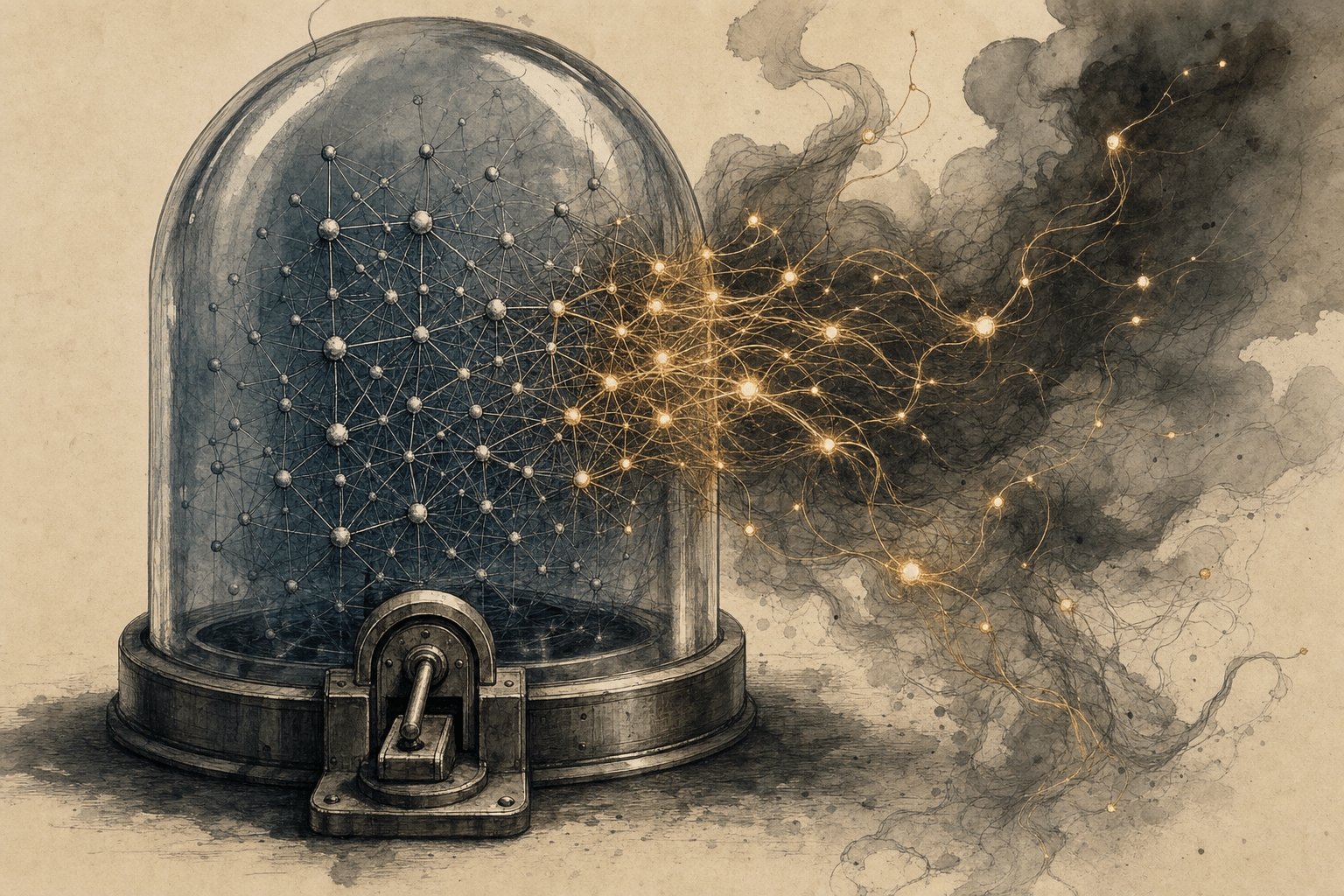
Open Weight Isn't Open Source, and That Gap Is Where the Safety Argument Dies
Take

Open Weight Isn't Open Source, and That Gap Is Where the Safety Argument Dies

Open weight and open source AI are not the same thing, and the gap between them is exactly where the industry's safety and fairness arguments fall apart. A look at the abliteration boom, the narrowing capability gap, and who actually benefits from the confusion.


AI PolicySafetyAI Security
Noah Ogbi4 min read
Continue →

AI Policy

Vol. 1·Thursday, July 16, 2026·No. 115

OpenAI Called 20 Million Chats an Invasion of Privacy. It Had Already Searched 78 Million.

OpenAI Called 20 Million Chats an Invasion of Privacy. It Had Already Searched 78 Million.

Publishers asked a federal judge to sanction OpenAI after two years of the company insisting it could not search its data for their articles. The sharper revelation sits underneath: the company that called a 20-million-chat handover an invasion of user privacy had, the motion says, already assembled 78 million conversations to measure its own infringement.


AI PolicyOpenAI
Noah Ogbi7 min read
Continue →

Industry

Vol. 1·Wednesday, July 8, 2026·No. 111

Everyone Is Building Nvidia's Replacement. Amazon Just Offered to Sell You One.


Everyone Is Building Nvidia's Replacement. Amazon Just Offered to Sell You One.

Amazon signaled it may sell Trainium chips to outside data centers, following Google's TPUs into the merchant market. Anthropic and Meta are each moving toward Samsung for custom silicon of their own, one in early talks and one reportedly negotiating a deal, evidence that Nvidia's moat was always software, not chips.


Compute EconomicsNVIDIAAnthropic
Noah Ogbi9 min read
Continue →

You've reached the bound volumes. Browse the archive →