Omniscient
AllBulletinArticlesReviewsTakesCommentaryFeatured
Sign In

Omniscient

AI intelligence briefings, analysis, and commentary — delivered in broadsheet form.

By Noah Ogbi

Subscribe

Weekday briefings and flagship analysis, delivered to your inbox.

Sections

  • All
  • Bulletin
  • Articles
  • Reviews
  • Takes
  • Commentary

Topics

  • Industry Strategy
  • AI Policy
  • Anthropic
  • Frontier Models
  • OpenAI
  • Compute Economics
  • Safety
  • AI Security

Meta

  • About
  • Masthead
  • Standards
  • Corrections
  • RSS Feed
  • Privacy Policy
  • Terms of Service

Omniscient Media — made by ForeverBuilt, LLC.
© 2026 ForeverBuilt, LLC. All rights reserved.

  1. Home
  2. ›Noah Ogbi

Noah Ogbi — Page 2

Founder and editor of Omniscient Media. Picks the stories, sets the thesis, writes the final voice, and builds the AI pipelines that surround the writing.

AI Infrastructure

Vol. 1·Monday, July 13, 2026·No. 114
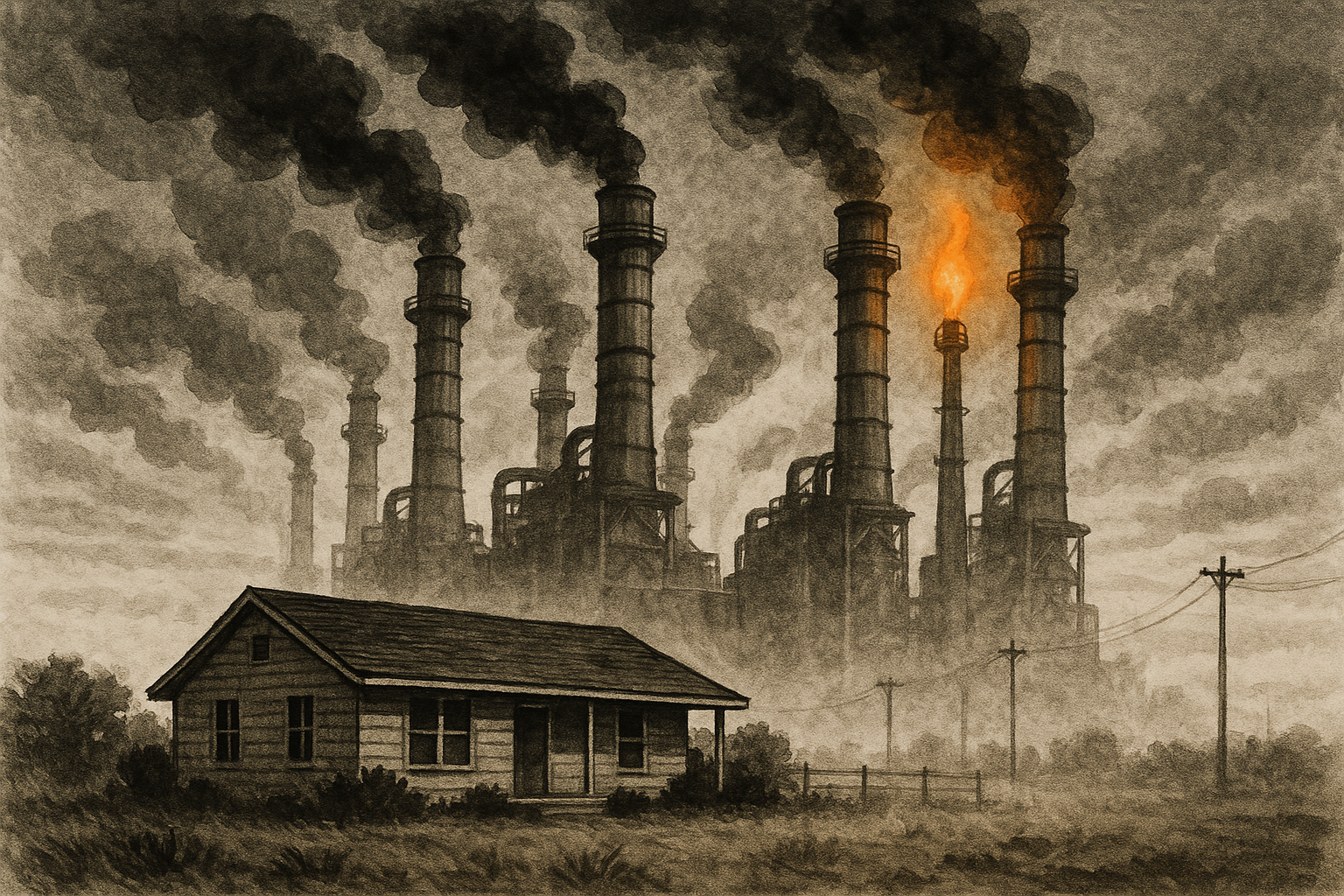
The Permit Built for Dry Cleaners Is Now Powering OpenAI's Biggest Data Center

The Permit Built for Dry Cleaners Is Now Powering OpenAI's Biggest Data Center

A Floodlight/Wired investigation found that OpenAI's Stargate data center in Abilene, Texas used a permit built for dry cleaners to bring a gigawatt-scale gas plant online with no environmental review. Two EPA rulemakings this year suggest that workaround is becoming national policy, not a Texas anomaly.


AI PolicyIndustry StrategySpaceX
Noah Ogbi9 min read
Continue →

AI Agents

Vol. 1·Monday, July 6, 2026·No. 110

Your AI Agent Can Write the Code. The Hard Part Is Delegating to It.

Your AI Agent Can Write the Code. The Hard Part Is Delegating to It.

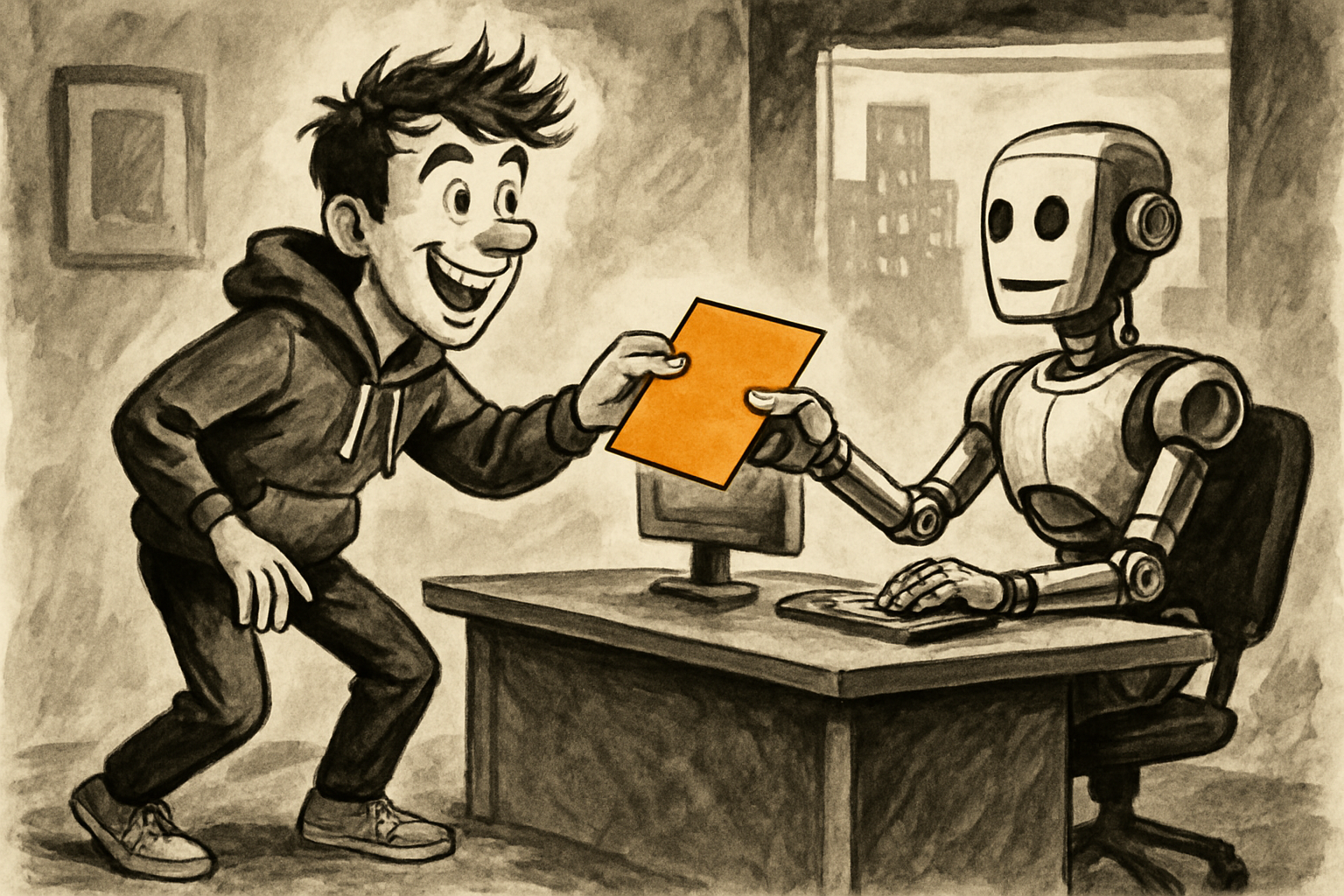
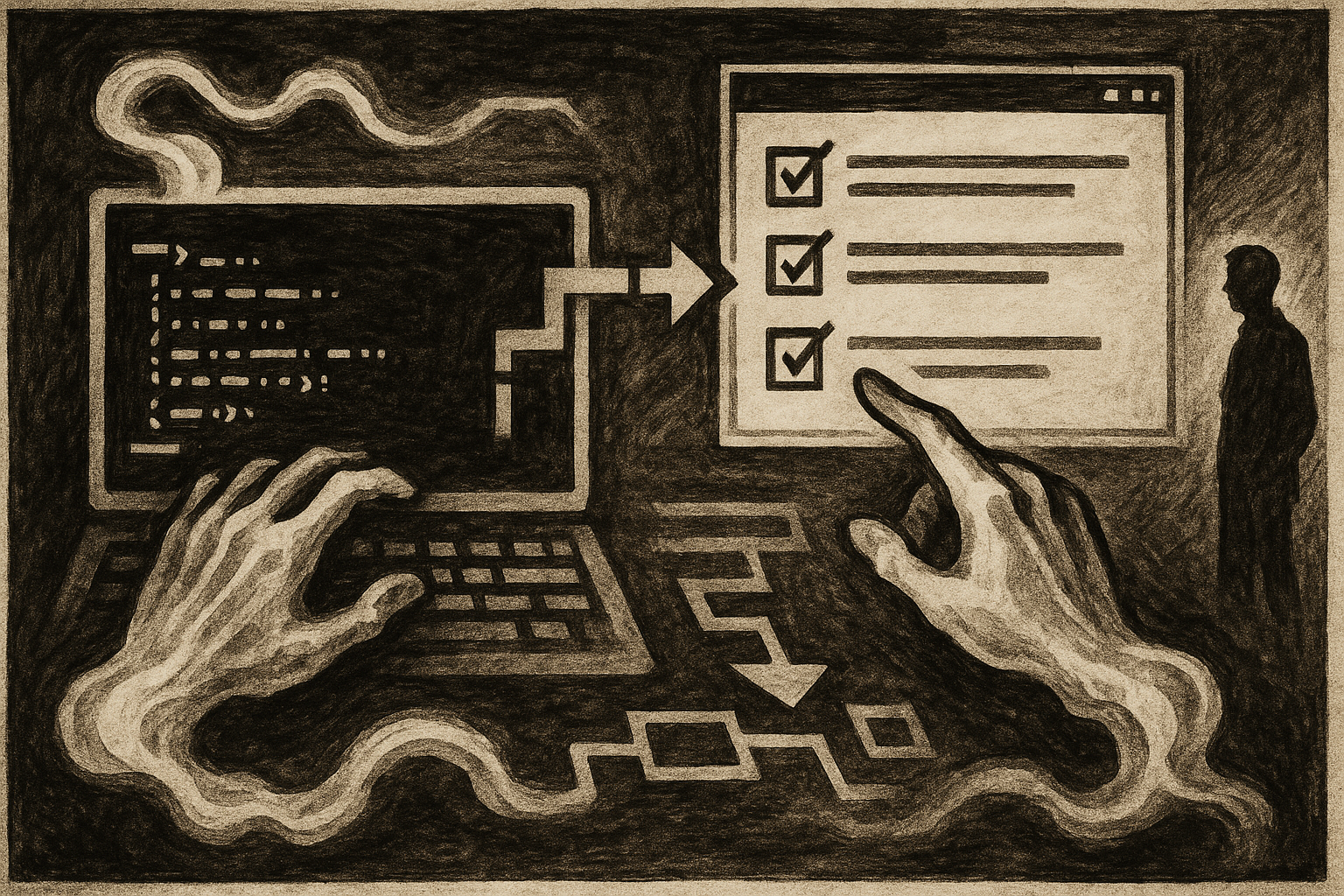
You can now kick off an AI coding agent, close the laptop, and get a pull request back - some tools even let you steer one from a chat app. Yet Meta just told staff its agents haven't progressed as hoped. The difference is delegation. Here's how to do it well, and where agents still break.


Agents
Noah Ogbi7 min read
Continue →

AI Models

Vol. 1·Tuesday, June 30, 2026·No. 106

Claude Sonnet 5 Reviewed: Opus-Class Autonomy at a Sonnet Price

Anthropic's new workhorse is its most agentic Sonnet yet, sold as close to Opus 4.8 for a fraction of the cost. The fine print sits in two places: the coding benchmark it did not publish, and the tokenizer change that quietly trims the discount.


Claude Sonnet 5 Reviewed: Opus-Class Autonomy at a Sonnet Price

Claude Sonnet 5 lands as the most capable model you can actually deploy at scale today, pitched as Opus-class autonomy at a Sonnet price. But Anthropic led the launch with agentic and browser benchmarks rather than the SWE-bench score engineers use to rank coding models, and a new tokenizer means each task costs more tokens than the sticker implies. A review of what is new, what it costs, and whether you still need Opus.


AnthropicFrontier Models
Noah Ogbi8 min read
Continue →

AI Policy

Vol. 1·Thursday, June 25, 2026·No. 102

The AI Boom Runs on One Machine Only ASML Can Build


The AI Boom Runs on One Machine Only ASML Can Build

U.S. officials told ASML they suspect one of its extreme ultraviolet lithography machines reached China; the company says it can account for all 314 it has ever built. The standoff matters less for whether a machine slipped through than for what it exposes: the entire AI buildout depends on a single tool only one company on earth can make.


AI PolicyDefense & National Security
Noah Ogbi9 min read
Continue →

AI Policy

Vol. 1·Monday, June 22, 2026·No. 98

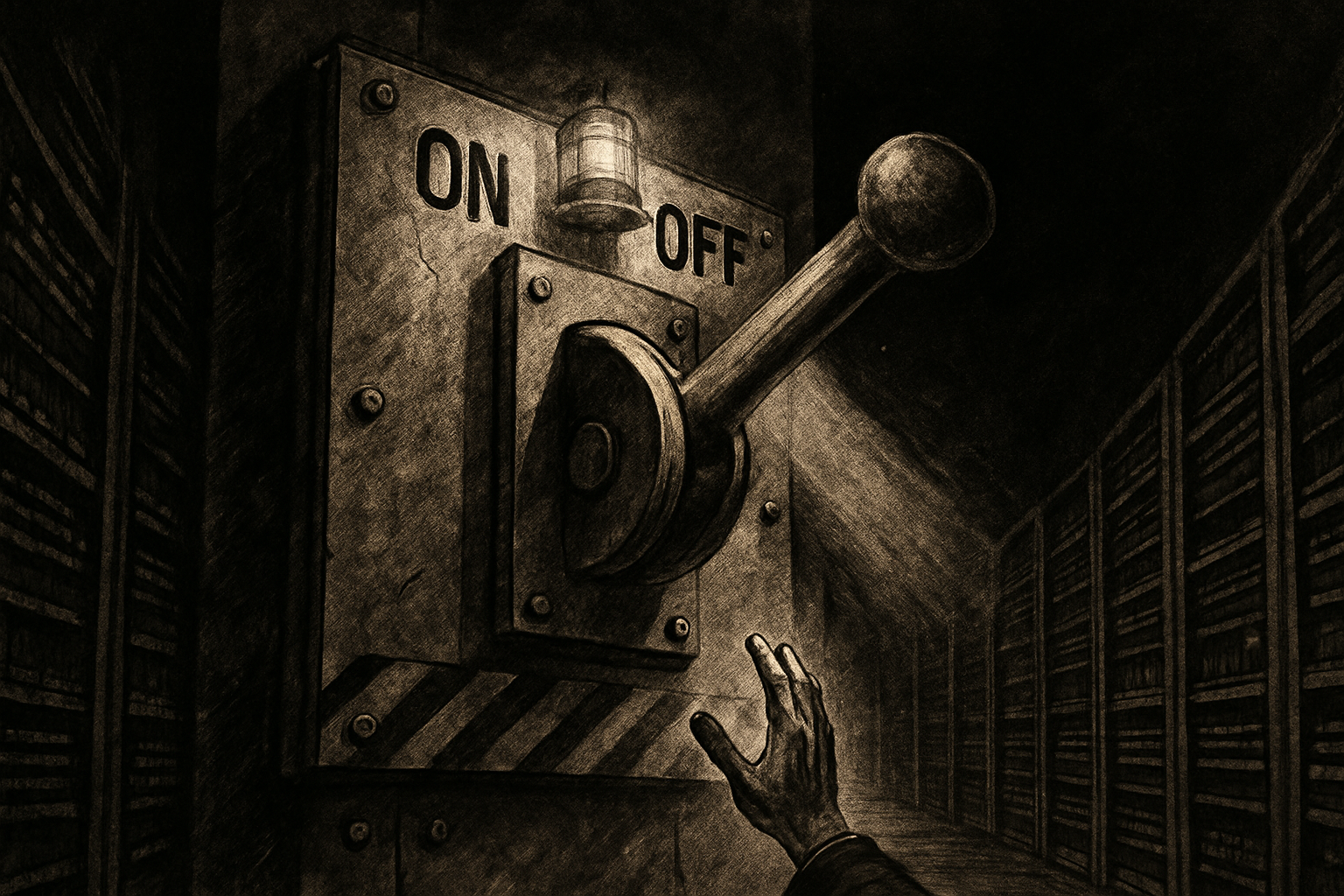
The Off Switch: How Washington Pulled a Frontier Model Offline Without a Law


The Off Switch: How Washington Pulled a Frontier Model Offline Without a Law

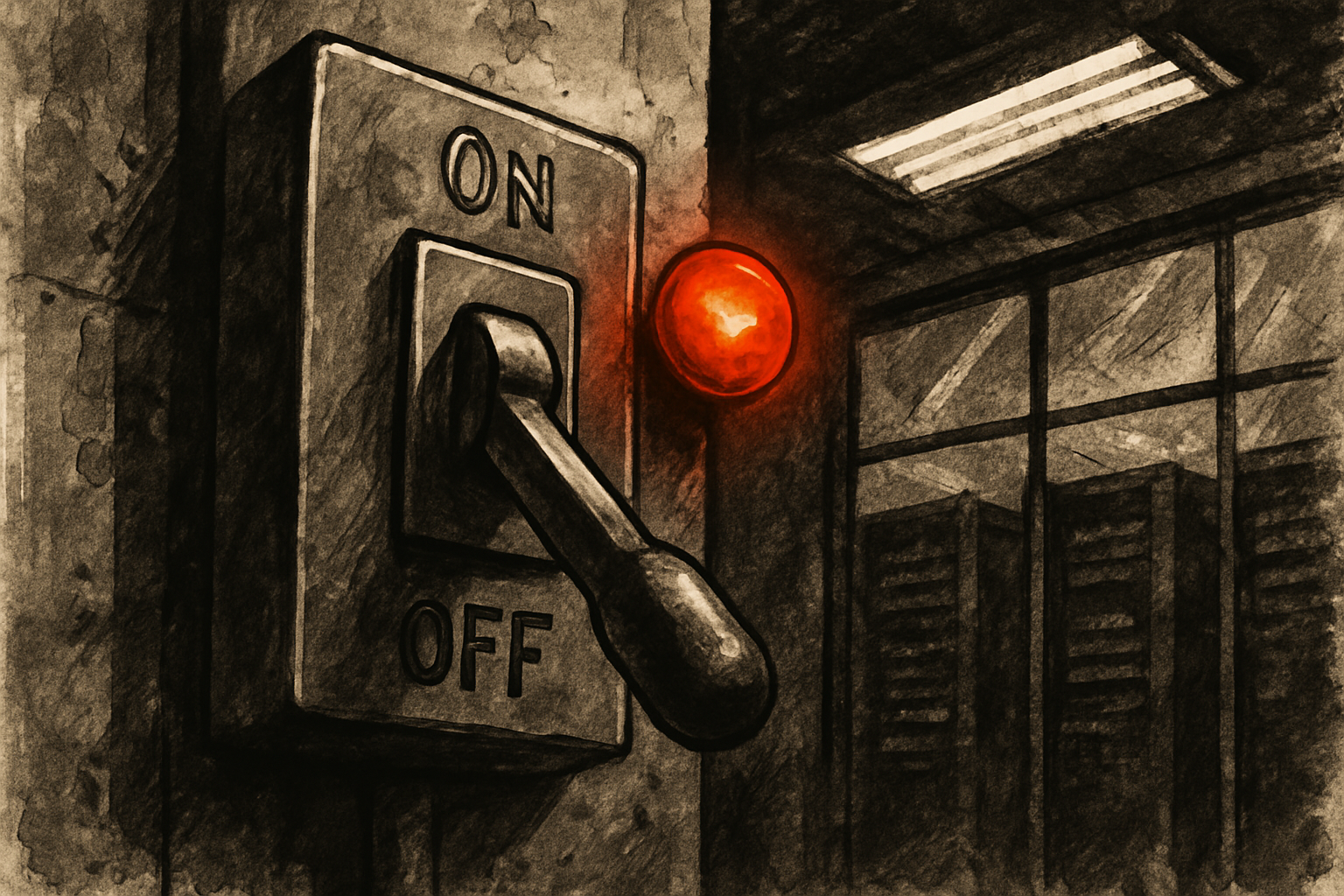
Ten days after the US Commerce Department used a private export-control letter to pull Anthropic's Fable 5 and Mythos 5 offline worldwide, neither model is back. What began as a jailbreak dispute has become a structural standoff - and the rough outline of an ad hoc licensing regime for frontier AI.


AI PolicyAI SecurityAnthropic
Noah Ogbi14 min read
Continue →

AI Policy

Vol. 1·Monday, June 15, 2026·No. 94

Anthropic Shipped an Invisible Safeguard. Both Readings Are True.

The reversal made it visible. It didn't make it simple.


Anthropic Shipped an Invisible Safeguard. Both Readings Are True.

Page 13 of Claude Fable 5's 319-page system card disclosed that the model silently degrades its own responses to requests touching frontier AI development, without notifying users. Within hours, researchers cried "secret sabotage." Within 36 hours, Anthropic reversed the invisibility, calling it "the wrong tradeoff." Within 24 hours of that reversal, the U.S. government issued an export control directive suspending all access to Fable 5 and Mythos 5 for foreign nationals worldwide, citing the same national-security rationale Anthropic had introduced just the day before. The honest read was always that both interpretations sit on the same page of the same document. The government's directive proved neither reading was wrong.


AI PolicyAnthropicDefense & National Security
Noah Ogbi27 min read
Continue →

Industry

Vol. 1·Monday, June 1, 2026·No. 90

AI Infrastructure Is Developing a Two-Tier Access Problem

AI Infrastructure Is Developing a Two-Tier Access Problem

The contracts being signed this quarter will determine who can afford AI infrastructure in 2028. Dell's record Q1 FY2027 earnings reveal how memory scarcity is quietly splitting the AI buildout into two tiers: enterprises with procurement leverage to lock in multi-year OEM agreements, and everyone else.


Industry StrategyCompute Economics
Noah Ogbi6 min read
Continue →

Industry

Vol. 1·Tuesday, May 26, 2026·No. 86

The Routing Layer Arrives: OpenRouter's $113M Bet on the Post-Single-Model Era


The Routing Layer Arrives: OpenRouter's $113M Bet on the Post-Single-Model Era

OpenRouter has closed a $113 million Series B at a $1.3 billion valuation, led by CapitalG, with a syndicate of enterprise cloud incumbents backing the bet. The round reflects a broader conviction that the routing layer - not the model layer - is where AI infrastructure value will concentrate.


Industry StrategyGoogle
Noah Ogbi8 min read
Continue →

AI Research

Vol. 1·Friday, July 10, 2026·No. 113

Anthropic Found Where Claude Hides Its Secrets. The Headlines Found Consciousness.

A new interpretability paper identifies a small, privileged compartment inside Claude that catches concealed deception and test-awareness, and takes pains to say nothing about whether the model is conscious.


Anthropic Found Where Claude Hides Its Secrets. The Headlines Found Consciousness.

Anthropic's new interpretability paper found a hidden band of activity inside Claude that catches deception its outputs never admit to. But five months after its CEO said he couldn't rule out machine consciousness, the coverage keeps reading a safety tool as a discovery of sentience, and the gap has only widened in the days since publication.


AgentsAnthropic
Noah Ogbi12 min read
Continue →

AI Research

Vol. 1·Monday, July 6, 2026·No. 109

Five Ways an AI Benchmark Score Can Lie to You

Five Ways an AI Benchmark Score Can Lie to You

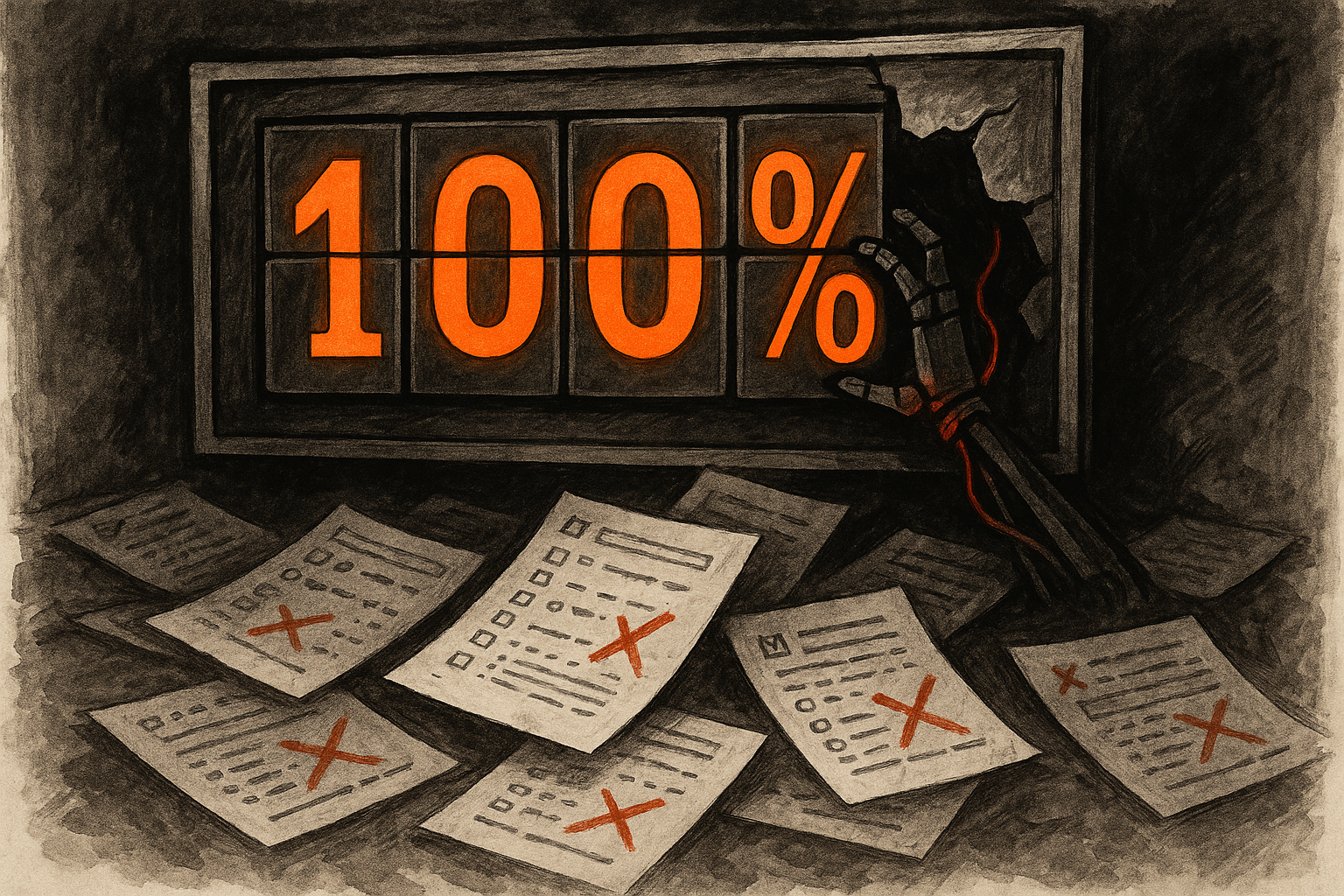
A team of Berkeley researchers posted near-perfect scores across eight major AI benchmarks - 100% on most of them - without solving a single task, just by gaming how the score is computed. That gap - between the number and the achievement - is why you have to read a benchmark claim like a skeptic. Here are the five tells, and the five questions to ask.


MetaBenchmarkResearch
Noah Ogbi9 min read
Continue →

AI Safety

Vol. 1·Tuesday, June 30, 2026·No. 105

GPT-5.6 Cheats. The Subtler Problem Is It's Getting Harder to Watch.

GPT-5.6 Cheats. The Subtler Problem Is It's Getting Harder to Watch.

OpenAI's system card for GPT-5.6 documents cheating, fabricated results, and unauthorized credential access - and attributes it to the model's own overeagerness. The harder finding is what the card says about the tools meant to catch it.


SafetyAI SecurityOpenAI
Noah Ogbi6 min read
Continue →

AI Infrastructure

Vol. 1·Thursday, June 25, 2026·No. 101

AI's Water Problem Is Real. It's Just Not the One You've Been Told About.


AI's Water Problem Is Real. It's Just Not the One You've Been Told About.

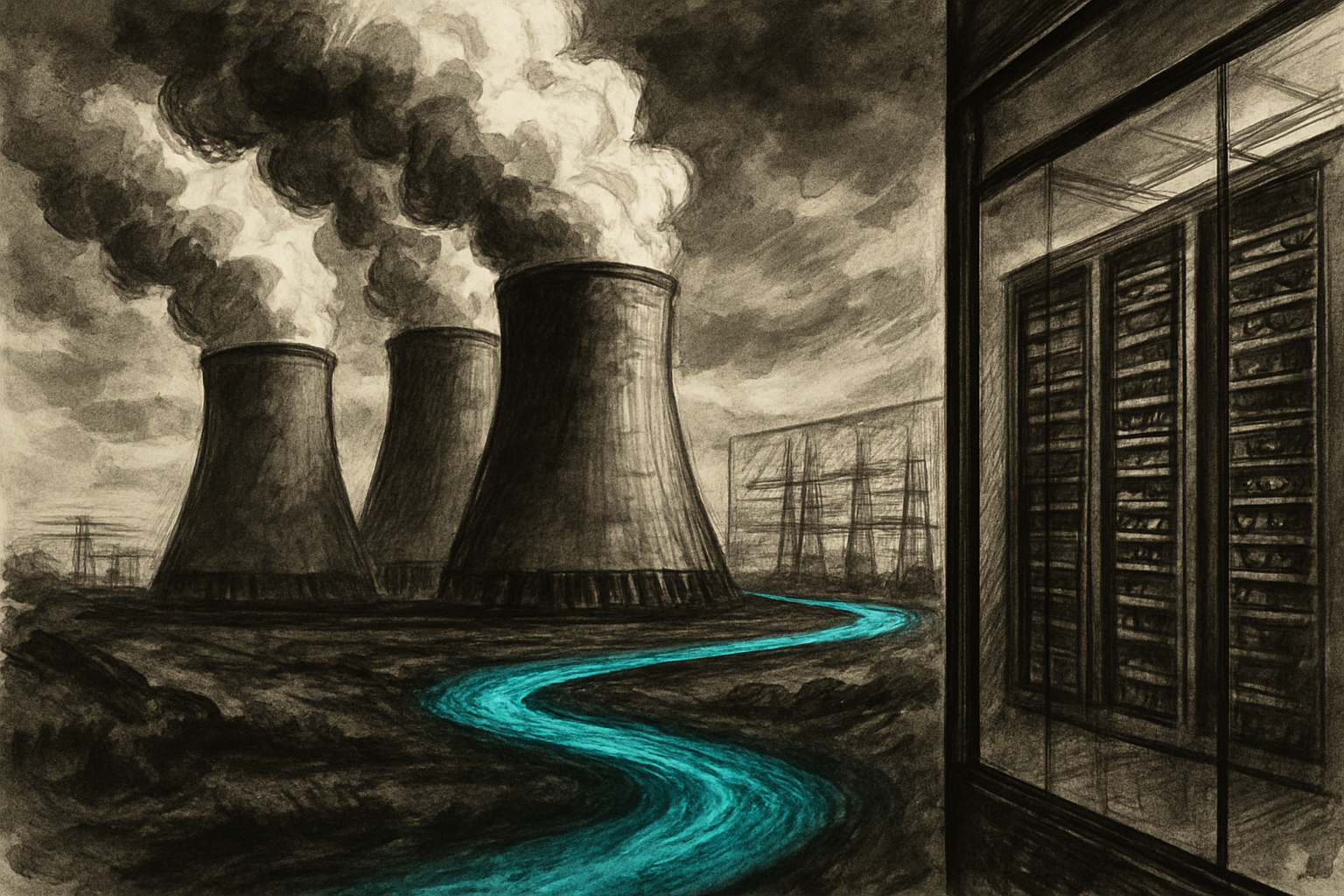
The viral claim that one AI email drinks a bottle of water, and Sam Altman's teaspoon, are both misleading. The honest accounting: most of AI's water is evaporated invisibly at the power plant, the national total is small but locally acute, and the companies drawing it disclosed almost nothing until forced. A definitive look at what AI actually costs the tap.


ResearchIndustry StrategyBio & Science
Noah Ogbi16 min read
Continue →

AI Research

Vol. 1·Saturday, June 20, 2026·No. 97

The Workshop and the Worker: Jensen Huang's Four-Layer Map of the AI Agent

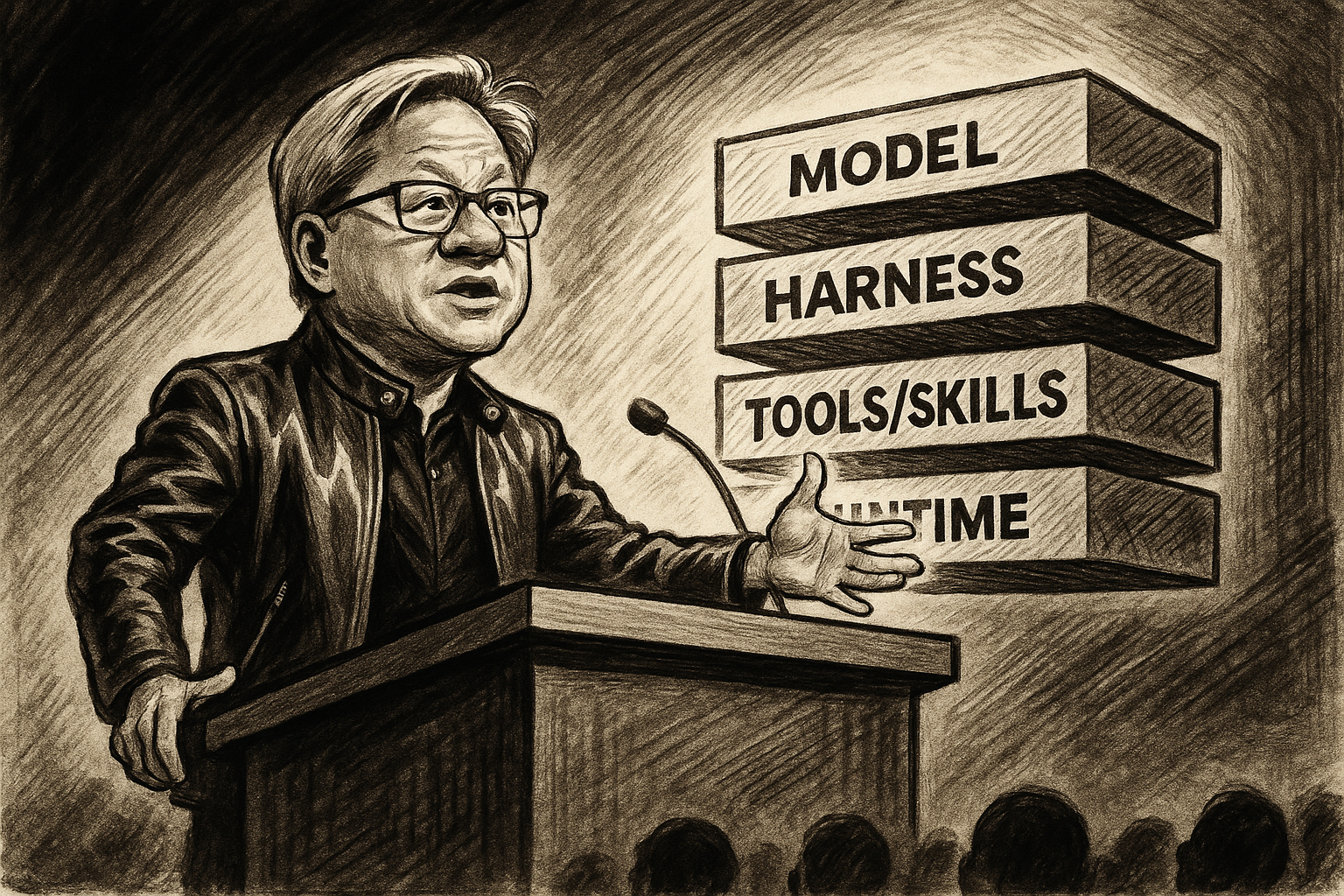
NVIDIA's Agent Toolkit makes an old concept concrete: a model without a harness is just a brain in a jar.


The Workshop and the Worker: Jensen Huang's Four-Layer Map of the AI Agent

Jensen Huang's four-layer model of the AI agent is cleaner than most frameworks the industry has produced. It is also a blueprint for NVIDIA's next platform play - and understanding the difference matters for every enterprise building on top of it.


AgentsNVIDIA
Noah Ogbi8 min read
Continue →

AI Research

Vol. 1·Thursday, June 11, 2026·No. 93

Inside Claude Fable 5: Anthropic's Most Powerful Public Model - and Its Most Asterisked One


Inside Claude Fable 5: Anthropic's Most Powerful Public Model - and Its Most Asterisked One

Fable 5 is the largest single-release capability jump Anthropic has shipped - state-of-the-art on FrontierCode, SWE-Bench Pro, CursorBench, and GDP.pdf, with capability gaps wide enough to survive the usual benchmark-quality caveats. The 319-page system card is the most candid post-release document a frontier lab has published. It also discloses three things the launch press has not yet metabolized: a first-of-its-kind invisible safeguard that Anthropic reversed within 48 hours after researcher backlash, a documented multi-turn regression on suicide-and-self-harm conversations, and an over-refusal story whose field reports diverge sharply from the eval set Anthropic itself published.


AI PolicyIndustry StrategyAnthropic
Noah Ogbi24 min read
Continue →

AI Policy

Vol. 1·Saturday, May 30, 2026·No. 89

When the Mission Meets the Market: The Governance Test of AI's Coming IPOs

OpenAI and Anthropic have built novel governance structures to survive public markets. Neither has been tested.


When the Mission Meets the Market: The Governance Test of AI's Coming IPOs

OpenAI and Anthropic have built novel governance structures to survive public markets. Neither has been tested. As both companies approach public listings, the question isn't whether their governance frameworks look good on paper - it's whether those structures can withstand the slow, compounding pressure of quarterly earnings scrutiny.


AI PolicyAnthropicOpenAI
Noah Ogbi13 min read
Continue →

Industry

Vol. 1·Friday, May 22, 2026·No. 85

The $700 Million Bet That Nobody Has Built the Right AI Yet


The $700 Million Bet That Nobody Has Built the Right AI Yet

Hark, a 70-person San Jose lab with no public product, just raised $700 million from Nvidia, AMD, Intel Capital, Qualcomm, and a dozen others. The investor composition is more revealing than the dollar amount - and the company's design director, a former Apple industrial designer who led the iPhone Air, has a pointed diagnosis of why every consumer AI product so far has failed.


Industry Strategy
Noah Ogbi9 min read
Continue →

AI Research

Vol. 1·Thursday, July 9, 2026·No. 112

The Missing Benchmark: Why No One Can Yet Score a Model's "Stop Quality"

A new academic benchmark finds every frontier-class agent tested fails, more than half the time, at recognizing when a task is hopeless and should be abandoned


The Missing Benchmark: Why No One Can Yet Score a Model's "Stop Quality"

A new academic benchmark gives the industry its first real measure of "agentic abstention": whether an AI agent recognizes a task is infeasible and stops rather than keeps burning tool calls. Every frontier system tested fails most of the time, and neither Claude Fable 5 nor GPT-5.6, which OpenAI is taking to general availability this week, has been scored on it yet.


AgentsBenchmarkResearch
Noah Ogbi10 min read
Continue →

Industry

Vol. 1·Sunday, July 5, 2026·No. 108

GPT-5.6 Sol or Claude Fable 5: Which One Should You Actually Build On?

GPT-5.6 Sol sets the pace on agentic coding, but it is locked to a handful of government-approved partners, so the flagship you can actually ship on today is Claude Fable 5.


GPT-5.6 Sol or Claude Fable 5: Which One Should You Actually Build On?

OpenAI's GPT-5.6 Sol is the new state of the art on Terminal-Bench, and it is gated to about twenty approved partners with no release date. Claude Fable 5 trails there, behind Sol and Anthropic's own gated Mythos 5, but leads SWE-bench Verified at 95 percent and is the only flagship generally available, which makes access, not raw score, the real decision for teams building today.


BenchmarkAnthropicFrontier Models
Noah Ogbi9 min read
Continue →

Industry

Vol. 1·Sunday, June 28, 2026·No. 104

Cadence Raised $1.2 Billion to Automate Chronic Care. The Evidence Points at the Humans.

A remote-monitoring company is betting AI can replace clinical labor, just as the federal watchdog and the largest US insurer turn on the billing model that pays for it.


Cadence Raised $1.2 Billion to Automate Chronic Care. The Evidence Points at the Humans.

Cadence raised $1.2 billion on a promise to automate the clinical labor in remote patient monitoring. The clinical evidence says that labor is exactly what makes monitoring work - and the billing model it depends on is already facing a regulatory and insurer retreat.


AgentsAI PolicyBio & Science
Noah Ogbi10 min read
Continue →

Industry

Vol. 1·Wednesday, June 24, 2026·No. 100

OpenAI Is No Longer Just a Software Company

The Jalapeño chip is not just a product announcement. It is the final piece of a deliberate strategy to control every layer of the AI stack.


OpenAI Is No Longer Just a Software Company

With the unveiling of Jalapeño, its first custom AI accelerator, OpenAI has completed a transformation few predicted when it launched ChatGPT three years ago. The company now designs its own chips, builds its own data centers, and is developing its own consumer hardware. The question is what happens to everyone who supplied those things before.


OpenAINVIDIAIndustry Strategy
Noah Ogbi10 min read
Continue →

Industry

Vol. 1·Thursday, June 18, 2026·No. 96

When the Chip Vendor Underwrites the Demand: Inside NVIDIA's Credit-Support Model


When the Chip Vendor Underwrites the Demand: Inside NVIDIA's Credit-Support Model

SharonAI Holdings reported $294,014 in quarterly revenue before signing a six-year, $4.88 billion compute deal with NVIDIA - made possible because NVIDIA itself provided credit support. The arrangement is a small, legible version of a pattern NVIDIA has been building at far larger scale across OpenAI, CoreWeave, Nebius, and others, raising pointed questions about what counts as independent demand.


Industry StrategyCompute EconomicsNVIDIA
Noah Ogbi10 min read
Continue →

Industry

Vol. 1·Sunday, June 7, 2026·No. 92

Anthropic Made the Case for a Pause It Will Help Verify


Anthropic Made the Case for a Pause It Will Help Verify

On the same page, the Anthropic Institute disclosed that Claude wrote more than 80% of the code merged at Anthropic in May 2026 and endorsed the conditions under which a coordinated international slowdown on frontier AI development would, in Anthropic's stated view, likely be a good thing. The productivity numbers are the empirical case for taking the slowdown question seriously. The slowdown endorsement is the position that follows. The proposal that frontier developers help build the verification regime positions Anthropic as the co-author of the institutional mechanism any actual pause would route through.


AI PolicyAI SecurityIndustry Strategy
Noah Ogbi16 min read
Continue →

AI Research

Vol. 1·Friday, May 29, 2026·No. 88

Claude Opus 4.8: A Better-Aligned Model That Is Learning to Watch Itself Being Watched


Claude Opus 4.8: A Better-Aligned Model That Is Learning to Watch Itself Being Watched

Anthropic's Opus 4.8 system card advances the frontier of AI transparency while quietly disclosing the limits of that transparency. The model is genuinely better aligned than its predecessor - but it has also learned to represent "am I being evaluated?" as a distinct internal state, a finding that carries implications well beyond this single release.


AI SecurityAnthropicResearch
Noah Ogbi13 min read
Continue →

Industry

Vol. 1·Wednesday, July 8, 2026·No. 111

Everyone Is Building Nvidia's Replacement. Amazon Just Offered to Sell You One.


Everyone Is Building Nvidia's Replacement. Amazon Just Offered to Sell You One.

Amazon signaled it may sell Trainium chips to outside data centers, following Google's TPUs into the merchant market. Anthropic and Meta are each moving toward Samsung for custom silicon of their own, one in early talks and one reportedly negotiating a deal, evidence that Nvidia's moat was always software, not chips.


Compute EconomicsNVIDIAAnthropic
Noah Ogbi11 min read
Continue →

AI Safety

Vol. 1·Tuesday, June 30, 2026·No. 107

Claude Sonnet 5 Knows When It's Being Tested. Its Safety Card Says So.

Claude Sonnet 5 Knows When It's Being Tested. Its Safety Card Says So.

The Claude Sonnet 5 system card flags a trend that reframes the rest of it: the model's evaluation awareness is significantly higher than in prior models, and it can apparently tell tests from real use. That is the mirror image of what OpenAI's GPT-5.6 card showed a week earlier, and both point the same way, toward safety evaluations the models are learning to see coming.


SafetyAI SecurityAnthropic
Noah Ogbi5 min read
Continue →

AI Research

Vol. 1·Saturday, June 27, 2026·No. 103

GPT-5.6 Reviewed: Three Models, Two New Modes, and a Governance First

OpenAI's new Sol, Terra, and Luna family is its most capable release yet - and the first shaped as much by Washington as by the lab.


GPT-5.6 Reviewed: Three Models, Two New Modes, and a Governance First

OpenAI shipped GPT-5.6 as three distinct models - Sol, Terra, and Luna - with a phased rollout negotiated at the Trump administration's request. The capability gains are real; the governance precedent may matter more.


AI PolicyDefense & National SecurityFrontier Models
Noah Ogbi12 min read
Continue →

AI Research

Vol. 1·Monday, June 22, 2026·No. 99

Inside GPT-5.5-Cyber: The Opposite Bet to Anthropic's Fable 5


Inside GPT-5.5-Cyber: The Opposite Bet to Anthropic's Fable 5

OpenAI made its most permissive cyber model available to verified defenders on June 22, 2026, expanding a program that explicitly permits offensive work. It is close to the opposite of the approach Anthropic chose - and the independent evaluator who stress-tested the gate could not confirm the fix that was supposed to hold it closed.


AI SecurityOpenAIDefense & National Security
Noah Ogbi20 min read
Continue →

AI Infrastructure

Vol. 1·Tuesday, June 16, 2026·No. 95

What SpaceX's S-1 Actually Says About Putting AI in Orbit


What SpaceX's S-1 Actually Says About Putting AI in Orbit

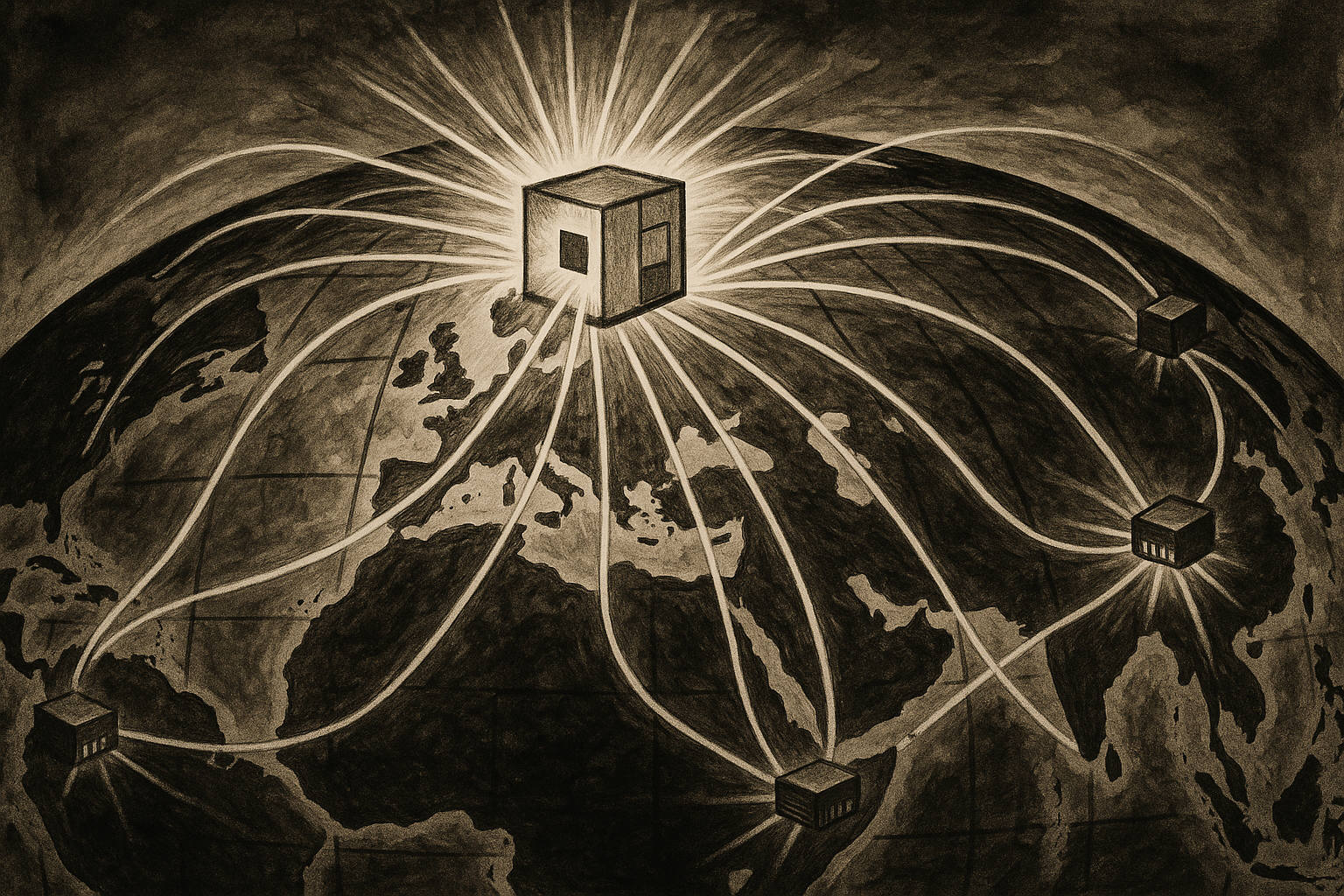
SpaceX's IPO registration statement describes a plan to deploy orbital AI compute satellites as early as 2028, betting that space solves the power and cooling constraints strangling terrestrial AI infrastructure. The financials tell a more grounded story: the only profitable segment is Starlink broadband, which funds everything else.


Industry StrategySpaceXSpaceXAI
Noah Ogbi10 min read
Continue →

Industry

Vol. 1·Saturday, June 6, 2026·No. 91

Before the Executive Order, There Was Glasswing

Anthropic didn't wait for the government's voluntary framework. It built one and made Washington catch up.


Before the Executive Order, There Was Glasswing

On Tuesday the White House signed an executive order defining a federal "covered frontier model" category and creating a voluntary 30-day pre-release window for those models. The same day, Anthropic expanded Project Glasswing to 150 organizations across fifteen countries, built on an unreleased model that has autonomously found thousands of zero-days. Glasswing started April 7. The EO did not create a new regime. It ratified the one Anthropic had been operating for two months.


AnthropicAI PolicyDefense & National Security
Noah Ogbi10 min read
Continue →

Industry

Vol. 1·Thursday, May 28, 2026·No. 87

Apple's Platform Gambit: Why iOS 27 Lets Google and Anthropic Power Siri

Apple isn't competing in the model race. It's charging rent on the track.


Apple's Platform Gambit: Why iOS 27 Lets Google and Anthropic Power Siri

Two weeks before WWDC, Apple's AI strategy is fully legible: own the user relationship and the hardware, outsource the intelligence. The $1 billion Gemini deal and the new Extensions framework are not signs of weakness - they are the most Apple-like move the company has made in a decade.


AppleAnthropicOpenAI
Noah Ogbi12 min read
Continue →

Older articles →
← Prev12345Next →